
How Long Should an AC Run on a 95-Degree Day in Wichita? What Is Normal and What Is Not in Extreme Heat
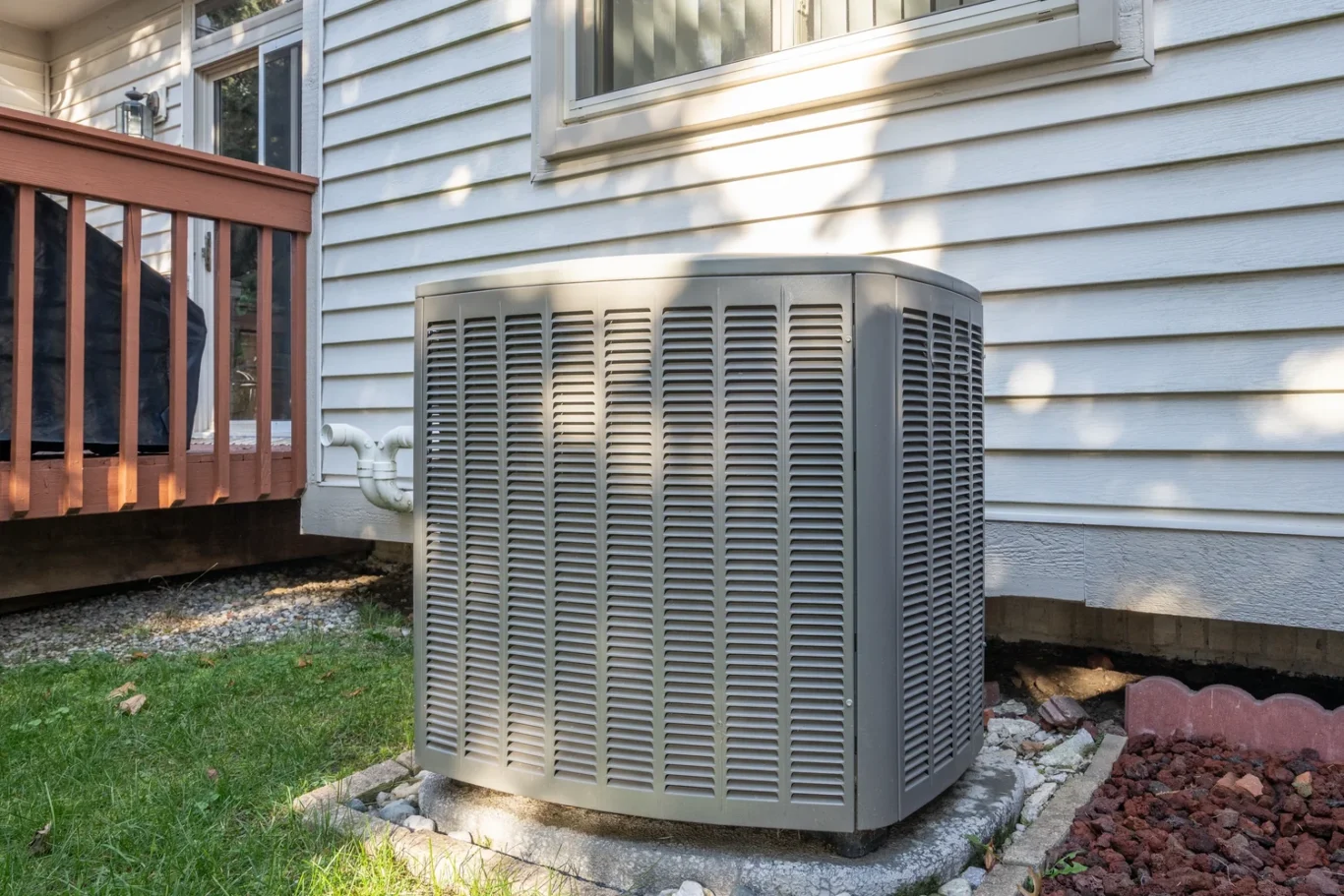
On a 95-degree Wichita afternoon, your air conditioner will run longer than usual, and that is expected. Long cycles are normal during extreme heat. Continuous operation without ever reaching the thermostat setting is not. Understanding the difference prevents unnecessary panic on a hot day and helps you identify real system problems that need professional attention.
Normal AC Runtime in Extreme Wichita Heat
On a mild 80-degree day, your AC typically runs 10 to 15 minute cycles, turning on and off several times per hour. On a 95-degree-plus day, expect:
- Cycles extending to 20 to 40 minutes
- Near-continuous operation during peak afternoon hours (2 to 6 PM)
- Indoor temperature running 1 to 2 degrees above setpoint during the hottest hours
Air conditioners are designed to maintain roughly a 15 to 20 degree differential between outdoor and indoor temperatures. On a 98-degree day, holding 78 to 80 degrees indoors is performing well. If the system reaches setpoint during evening hours when outdoor temperatures drop and cycles off normally, your AC is likely fine.
What Should NOT Be Happening
Contact a professional if:
- The AC runs nonstop overnight (when outdoor temperatures are in the 70s)
- Indoor temperature keeps climbing despite continuous operation
- The system never reaches the thermostat setting, even during cooler hours
- Ice forms on refrigerant lines or the indoor coil
- Airflow from vents feels noticeably weak
Continuous operation without temperature control indicates a capacity or efficiency problem that will not resolve itself.

Factors That Affect Runtime in Wichita
- System Size: Proper sizing requires a load calculation per ASHRAE standards. Undersized systems run constantly and struggle during extreme heat. Oversized systems short cycle and fail to control humidity. Correct sizing balances runtime and comfort. AC replacement projects from Mike Watson Heating & Cooling always begin with a load calculation.
- Refrigerant Level: Low refrigerant reduces cooling capacity and extends runtime. Symptoms include warm air, ice formation, and hissing sounds. Leaks require professional AC repair before recharging.
- Condenser Coil Condition: Wichita cottonwood buildup on the condenser reduces heat rejection. Blocked outdoor coils increase runtime, raise electric bills, and stress the compressor. Regular coil cleaning during AC tune-ups prevents this.
- Home Insulation and Heat Gain: Heat entering through the attic, windows, doors, and crawlspaces adds to the cooling load. Even a properly functioning AC runs longer in a poorly insulated home. ENERGY STAR estimates that air sealing and insulation improvements can reduce cooling costs by up to 15%.
- System Age: Most air conditioners last 15 to 20 years, per the U.S. Department of Energy. Aging systems lose efficiency progressively. A 15-year-old system running at 10 SEER uses 40 to 60% more energy than a modern 16 to 18 SEER replacement. If your system is 15+ years old and running nonstop, it may be time for a replacement evaluation.
Is It Bad for Your AC to Run Continuously?
Extended runtime during extreme heat is not harmful if:
- The system reaches setpoint during cooler periods
- No ice forms
- Airflow remains strong
- Electric bill remains proportional to the heat (not wildly disproportionate)
However, if the system is running constantly because of an underlying issue (low refrigerant, dirty coils, aging components), that constant strain accelerates wear and increases the risk of a mid-summer failure. Annual AC maintenance reduces performance decline and catches problems before they cause constant operation.
When to Call for AC Service in Wichita

Call Mike Watson Heating & Cooling if:
- Indoor temperature keeps climbing despite nonstop operation
- The AC runs continuously at outdoor temperatures below 90 degrees
- Breakers trip
- Ice appears on the system
- The unit is aging and has not been serviced recently
We serve Wichita, Derby, Andover, Newton, Eastborough, and surrounding communities. View our service area.
Call 316-522-3528 or contact us online.
FAQ: AC Runtime on Hot Days in Wichita
Expect 20 to 40 minute cycles during extreme heat, with possible near-continuous operation during peak afternoon hours. The system should still cycle off during evening and overnight hours.
During sustained 95-degree-plus heat with high humidity, 6 to 8 hours of near-continuous operation can be normal during the hottest part of the day. If it continues running through the evening as temperatures drop, something is wrong.
Not if the system is healthy and the runtime is due to extreme heat. If constant running is caused by low refrigerant, dirty coils, or undersizing, the extra strain accelerates component wear.
Raising it 1 to 2 degrees can reduce runtime without significant comfort loss. According to Energy.gov, each degree higher saves roughly 3% on cooling energy.
Yes. Ceiling fans create a wind-chill effect that makes rooms feel 3 to 4 degrees cooler, allowing you to raise the thermostat while maintaining comfort. Turn fans off in unoccupied rooms.