Commercial Fall HVAC Maintenance Checklist for Wichita Businesses: Preparing Rooftop Units and Heating Systems for Winter

Your commercial HVAC system does not get a day off. When Wichita temperatures shift from cooling to heating (sometimes in the same week during a Kansas October), the equipment stress changes direction, and components that survived summer may not survive winter without attention. Commercial HVAC maintenance in Wichita is how property managers and business owners prevent the 6 a.m. phone call about a frozen building full of angry tenants.
Why Fall Maintenance Matters More for Commercial Properties
Commercial systems face demands that residential equipment never sees:
- Longer operating hours: A restaurant in Old Town or a warehouse off West Kellogg may run HVAC 12 to 16 hours daily
- Multiple zones serving different needs: Office suites, retail bays, and common areas all require different conditions
- Temperature-sensitive operations: Server rooms, medical facilities, and food service operations cannot tolerate heating failure
According to the U.S. Department of Energy, heating accounts for a significant portion of commercial building energy use. Inefficient or failing heating systems drive up that cost precisely when you can least afford it.
Preventive maintenance identifies problems before cold-weather demand exposes them. The cost of a fall inspection is a fraction of the cost of an emergency repair on a 15-degree January morning.
Rooftop Unit (RTU) Fall Inspection Checklist

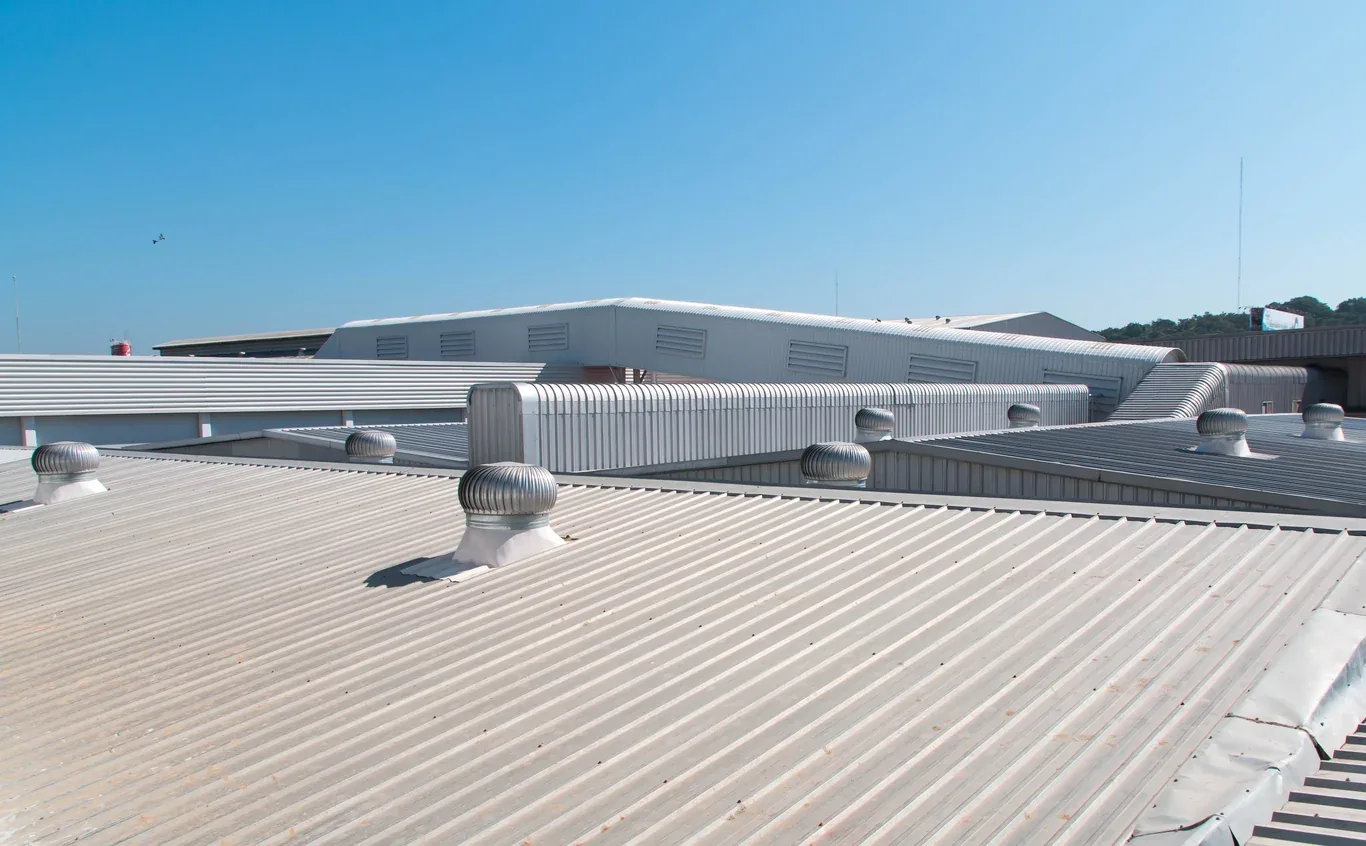
A comprehensive fall inspection for commercial rooftop units should cover every component that will be under load during heating season:
Combustion and Heating Components – Inspect and clean burners (carbon buildup restricts flame and reduces efficiency) – Check heat exchanger condition (cracks create carbon monoxide risk) – Test ignition components (hot surface igniters and flame sensors) – Verify gas pressure against manufacturer specifications – Inspect flue and venting for blockage or damage
Electrical Components – Tighten all electrical connections (thermal cycling loosens terminals over time) – Test contactors and capacitors – Verify control board operation and error code history
Mechanical Components – Inspect belts for wear, cracking, and proper tension – Check motor bearings and amperage draw – Lubricate moving parts where applicable
Controls and Calibration – Verify thermostat calibration and programming – Test zone control system damper operation – Confirm occupied/unoccupied scheduling is set for fall and winter hours
The ASHRAE Standard 180 provides the industry framework for commercial HVAC inspection practices.
Airflow and Duct Verification
Uneven heating in a commercial building usually traces back to airflow problems, not equipment failure:
- Blocked return air grilles: Furniture, shelving, or merchandise placed against returns
- Leaky ductwork: Gaps at joints and connections that lose heated air to unconditioned spaces
- Failing blower motors: Reduced airflow from worn bearings or slipping belts
The U.S. Department of Energy estimates that duct leaks can waste 20% to 30% of heated air. For a commercial building in the Douglas Design District or on Greenwich Road paying hundreds of dollars monthly in heating costs, that waste adds up fast.
Addressing airflow issues during fall maintenance restores designed performance before winter demand begins.
Safety Inspection: Non-Negotiable for Commercial Buildings
Gas-fired commercial heating requires combustion verification every season. This is not optional.
Carbon monoxide testing is essential. CO is odorless and colorless, and commercial buildings with heavy foot traffic create liability exposure if heating systems produce it. OSHA workplace safety standards address carbon monoxide exposure limits for employees.
If gas odor is detected anywhere in your building:
- Evacuate immediately
- Contact Kansas Gas Service
- Then schedule HVAC service
Do not attempt to diagnose the source yourself. Do not re-enter the building until cleared.
Energy Cost Control Through Fall Maintenance
The ENERGY STAR Building Program reports that commercial buildings waste up to 30% of the energy they consume. Much of that waste traces directly to HVAC systems running below designed efficiency.
Fall maintenance restores efficiency by:
- Cleaning burners for complete, efficient combustion
- Replacing dirty filters that restrict airflow and increase fan energy use
- Recalibrating controls so equipment runs only when needed
- Identifying components that are working but degraded
Pairing maintenance with indoor air quality assessment and upgraded air purification can improve both efficiency and occupant health during the months when buildings are sealed tight.
When to Consider Commercial Replacement Instead of Maintenance
Fall maintenance sometimes reveals that a system is not worth another season. Evaluate replacement if:
- Your RTU is 15 to 20 years old and showing multiple signs of wear
- Frequent seasonal repairs have become the norm
- Utility costs keep rising despite maintenance
- A major component (compressor, heat exchanger, control board) has failed or is failing
Planned replacement during fall is far less disruptive than emergency replacement during a January cold snap. Learn more about commercial HVAC system options and heat pump alternatives.
How Often Should Commercial HVAC Systems Be Serviced?
| Service Timing | Purpose |
|---|---|
| Before cooling season (spring) | Prepare AC, clean coils, check refrigerant |
| Before heating season (fall) | Prepare heating, test combustion, verify safety |
| Quarterly (high-use buildings) | Restaurants, medical, industrial, server rooms |
At minimum, commercial systems need professional inspection twice per year. Buildings with high occupancy, heavy particulate environments, or temperature-critical operations benefit from quarterly service.
Wichita Commercial HVAC Maintenance Services
Mike Watson Heating & Cooling provides commercial HVAC maintenance, commercial heating repair, commercial AC repair, and commercial rooftop unit replacement for businesses throughout Wichita and surrounding communities.
We serve commercial properties across the metro, from Old Town to the West Kellogg corridor.
Call 316-522-3528 to schedule fall HVAC maintenance for your Wichita business.
Frequently Asked Questions: Commercial HVAC Fall Maintenance
September through early October is ideal. You want the inspection complete before the first hard freeze, which in Wichita can arrive as early as late October.
For a single rooftop unit, expect one to two hours. Multi-unit buildings take longer, but we can service multiple units in a single visit.
Cost depends on the number of units, system complexity, and service frequency. Call 316-522-3528 for a customized quote.
It cannot prevent every failure, but it catches the most common causes of winter breakdowns: worn igniters, dirty burners, failing blower motors, and cracked heat exchangers. Addressing these in October costs a fraction of what they cost to fix in January.
Yes. Every service visit includes a written report documenting what was inspected, what was found, and what was done. Property managers can use these records for tenant communications, insurance, and capital planning.
We serve commercial properties throughout the Wichita metro, including Old Town, the Douglas Design District, West Kellogg, Greenwich Road, Derby, Andover, and surrounding communities. Check our full service area.