
Furnace Repair or Replacement in Wichita? How to Decide Before You Spend Thousands
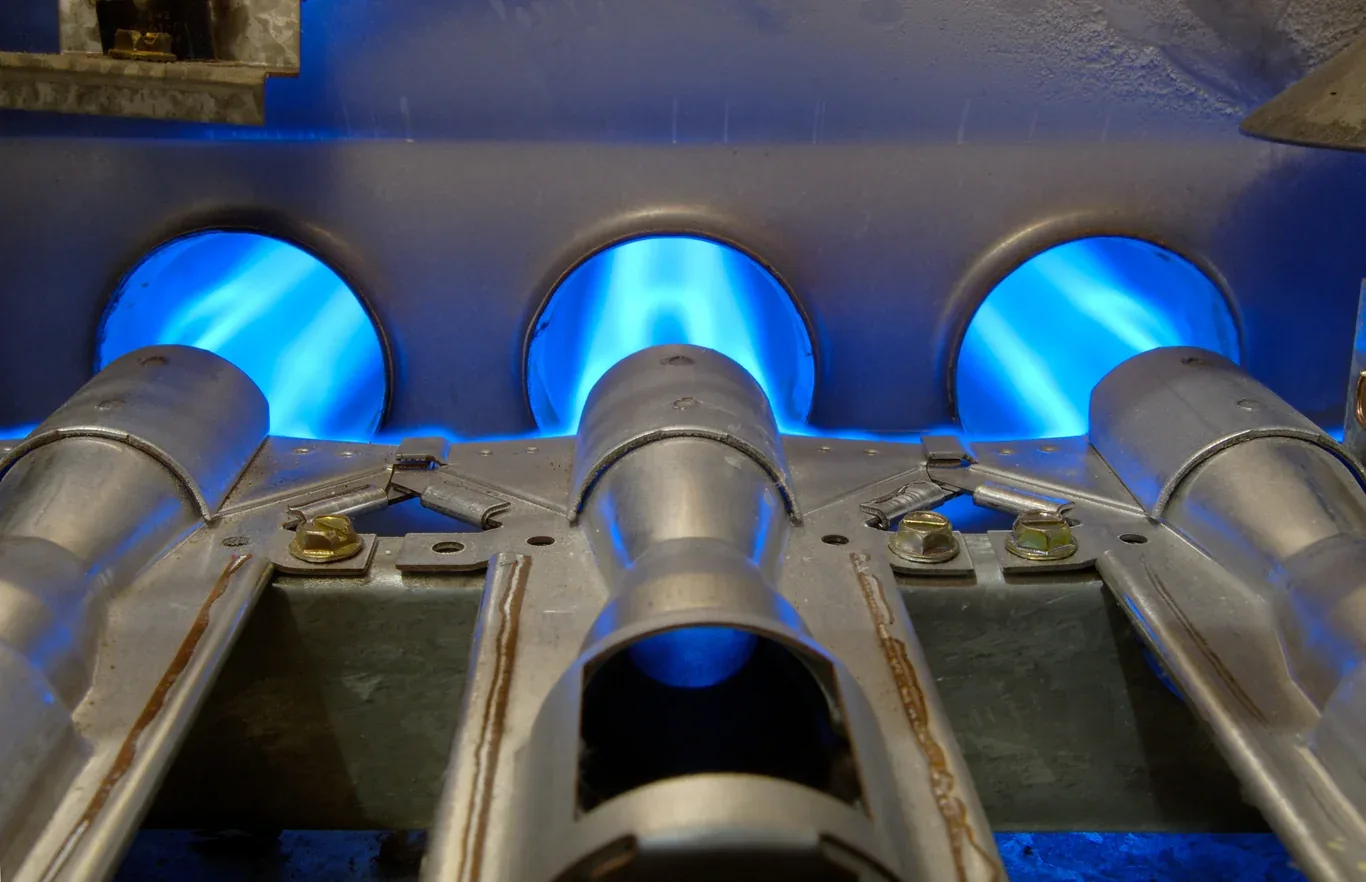
When your furnace breaks down during a Wichita winter, the decision between furnace repair and furnace replacement can save or cost you thousands over the next few years. Making the right call restores comfort and protects your budget long term. This guide walks you through the decision step by step, so you can make a confident choice even under pressure.
Step 1: Consider System Age
Most gas furnaces last 15 to 30 years depending on maintenance and installation quality. Use this framework:
| System Age | Recommendation |
|---|---|
| Under 10 years | Repair is usually logical |
| 10 to 15 years | Depends on repair cost and condition |
| Over 15 years | Replacement should be evaluated seriously |
| Over 20 years | Replacement is typically the safer investment |
Age increases failure probability and reduces efficiency. Homes in older Wichita neighborhoods like Riverside and College Hill often have furnaces pushing these limits.
Step 2: Evaluate the Current Repair Cost
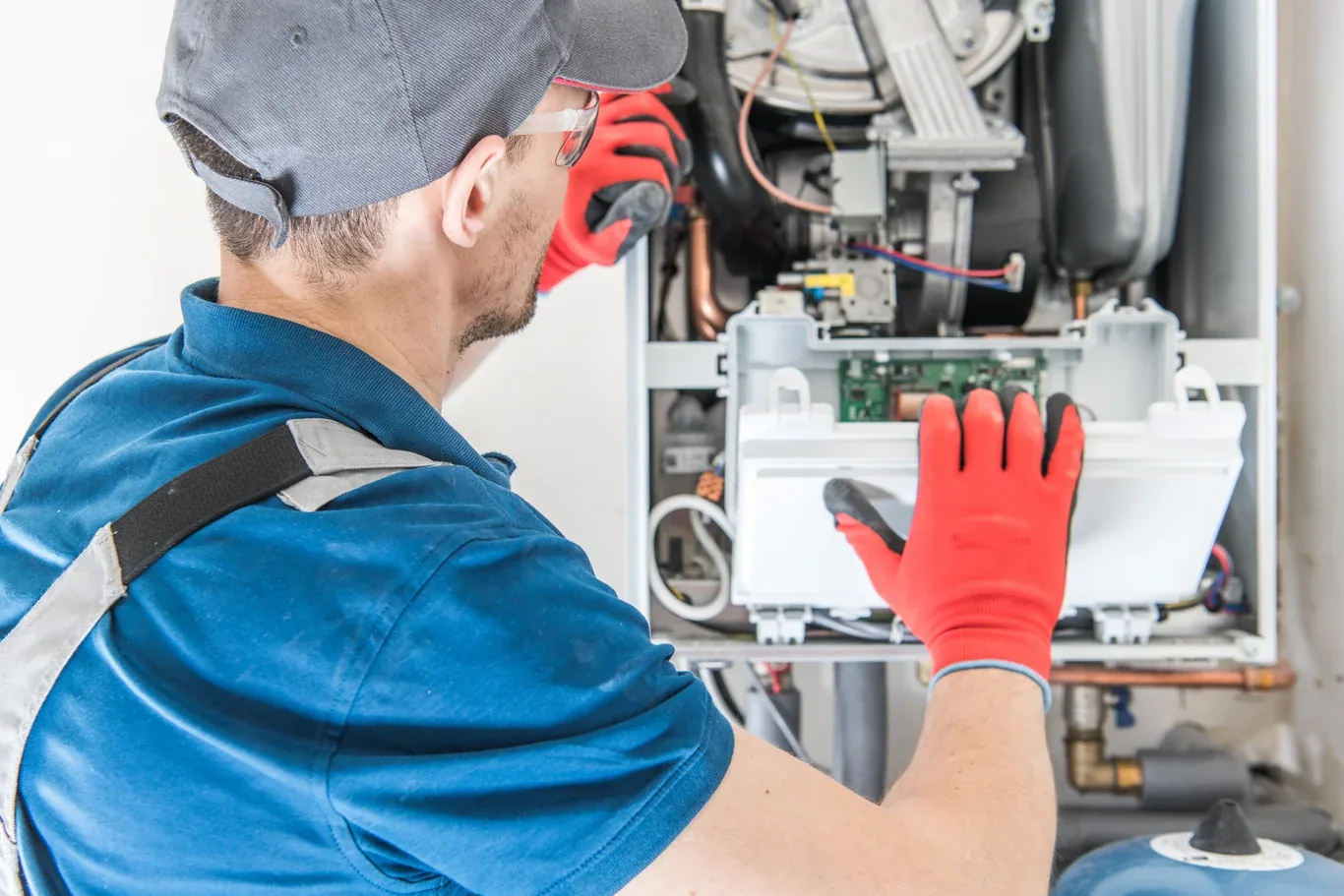
A practical rule: if the repair cost exceeds 40 to 50 percent of replacement cost, replacement is usually the smarter financial move.
| Repair Type | Typical Decision |
|---|---|
| Ignitor or capacitor replacement | Repair |
| Blower motor replacement | Depends on age |
| Control board replacement | Depends on age and cost |
| Cracked heat exchanger | Usually replacement |
Heat exchanger replacement can approach the cost of installing a new furnace, especially on older units. Get a transparent quote that breaks out parts, labor, and scope.
Step 3: Look at Repair Frequency
If you have needed furnace repairs two winters in a row, have had multiple service calls in one season, or are paying for increasingly expensive parts, you are in repair stacking territory. Small annual repairs compound quickly. Replacement eliminates recurring instability.
Step 4: Examine Energy Efficiency
Older furnaces operate at lower efficiency ratings than modern heating systems. According to the U.S. Department of Energy, heating and cooling represent roughly 55% of residential energy consumption. If your gas bills continue rising while comfort declines, efficiency loss may justify replacement.
New high-efficiency furnaces reduce fuel waste and improve comfort consistency, particularly during the extended cold stretches Wichita sees every January and February.
Step 5: Consider Safety Risk
“A cracked heat exchanger is not just a repair issue. It is a safety issue.”
A damaged heat exchanger can allow carbon monoxide into your living space. The EPA identifies carbon monoxide as a serious indoor air quality hazard. If this condition is confirmed, replacement is typically recommended.
If you smell natural gas, leave the home immediately and contact Kansas Gas Service before calling for HVAC repair. Safety overrides cost analysis.
Step 6: Factor in Winter Timing
Emergency replacement during extreme cold limits equipment selection, scheduling flexibility, and comparison shopping. Planned furnace replacement gives you time to evaluate efficiency options, arrange financing, and control your installation schedule. Homeowners in Derby, Andover, and Wellington benefit from scheduling before peak demand.
Most furnace installations can be completed within a day once equipment is selected.
When Repair Makes Sense

Repair is often appropriate when:
- Furnace is under 12 years old
- Repair cost is minor (under $500)
- No safety issue exists
- System has strong maintenance history
- Energy bills are stable
Licensed technicians can diagnose and repair all major furnace brands in Wichita.
When Replacement Makes Sense
Replacement becomes logical when:
- System is over 15 to 20 years old
- Major component failure occurs
- Heat exchanger is cracked
- Repair costs are high relative to replacement
- Efficiency is poor
- You want lower long-term operating costs
As a Rheem Pro Partner, Mike Watson Heating and Cooling installs energy-efficient Rheem furnaces designed for Kansas winters.
The Long-Term Cost Question
Repair solves today’s problem. Replacement solves the next 10 to 20 years.
The decision should be based on age, cost, risk, efficiency, and safety. Emergency-driven decisions often feel rushed. A structured evaluation restores control.
Consider your full HVAC system when evaluating: if your air conditioner is also aging, combined replacement can reduce total installation cost.
Frequently Asked Questions
Cost varies by failure type. Minor repairs like ignitor replacement are significantly less expensive than major component failures. A diagnostic visit identifies the issue and provides accurate pricing.
It depends on the repair. Minor fixes may still make sense, but if the repair is a major component or you have had multiple repairs recently, replacement is likely the better investment.
Emergency timing can influence cost due to after-hours dispatch and peak-season demand. Annual tune-ups reduce emergency exposure.
Yes, and it is often recommended when both systems are aging. Matched systems improve efficiency and reduce total installation labor. Learn more about AC replacement.
Most installations are completed in a single day. Emergency replacements are prioritized to minimize heat loss during winter.
Get a Clear Answer on Repair vs. Replacement
Mike Watson Heating and Cooling provides 24/7 emergency furnace repair, installation and replacement, and annual tune-ups throughout Wichita and surrounding areas.
Call 316-522-3528 for evaluation or emergency service.