News

What Are Geothermal Heating Systems?

Home And Tree In A Fall Landscape In Wichita Ks

Every Wichita homeowner knows the feeling. You brace for the bone-chilling winds of a Kansas winter, only to turn around and prepare for the sizzling, humid heat of summer a few months later. Geothermal heating and cooling systems try to balance extreme temperatures by drawing on natural heat from the ground, providing your home with a consistent energy source.

That’s the principle behind geothermal energy. It’s a highly efficient heating and cooling method that taps into the stable temperature of the Earth itself. If you’ve heard the term but aren’t quite sure what it means, you’re in the right place. This guide will break down what geothermal heating and cooling is, how it works, and the real-world pros and cons to help you understand the technology, no sales pitch, just the facts.

How Does a Geothermal System Actually Work?

The core concept behind geothermal is surprisingly simple. Just a few feet below the ground, the earth’s temperature stays consistent all year long. Regardless of whether it’s 105°F in August or 10°F in January, the ground temperature in the Wichita area remains around 55°F.

A geothermal system uses this free, renewable thermal energy. Unlike a traditional furnace that burns fuel to create heat, a geothermal system simply moves existing heat from one place to another.

In Winter (Heating Mode):

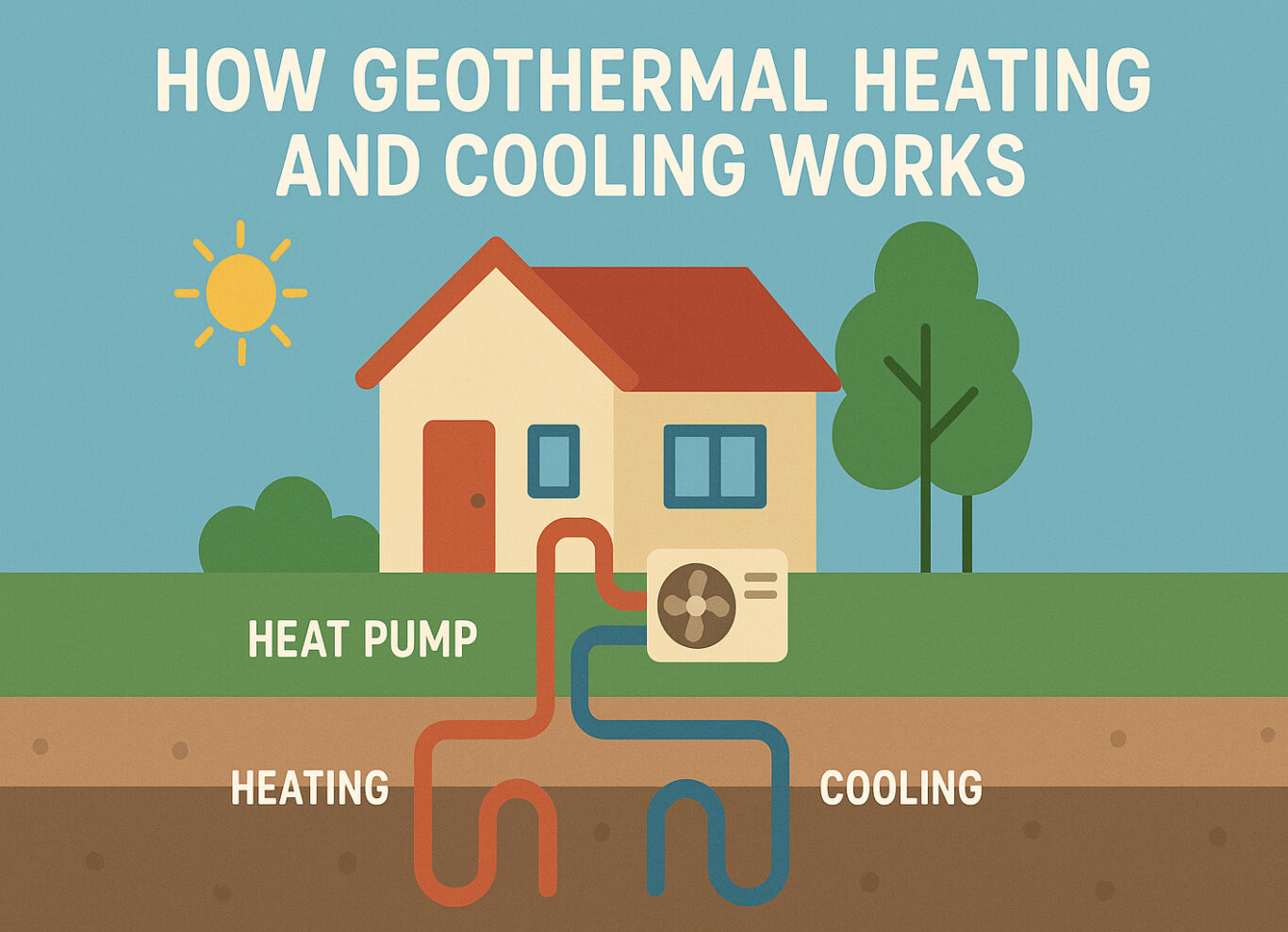
A closed loop of underground pipes circulates a water-based solution. As this fluid moves through the pipes, it absorbs the earth’s natural 55°F heat. The fluid then carries this heat back to an indoor unit called a heat pump.

The heat pump concentrates this thermal energy and distributes it as warm, comfortable air throughout your home through standard ductwork. It’s much easier to raise 55°F air to a comfortable room temperature than it is to raise 10°F air.

In Summer (Cooling Mode):

The entire process reverses. The heat pump inside your home pulls heat and humidity from your indoor air, just like a standard air conditioner. But instead of sending that heat to a noisy outdoor unit to be released into the already hot air, it transfers the heat into the fluid in the ground loops. This fluid circulates underground, where the excess heat is efficiently absorbed by the cooler 55°F earth.

Geothermal Heating And Cooling Diagram

The Main Components of a Geothermal System

A geothermal system might sound complex, but it boils down to three primary components working together.

The Ground Loop

This is the heart of the system. The ground loop is a network of durable, high-density polyethylene pipes buried in your yard. This loop is the heat exchanger, acting as the bridge between your home and the earth’s constant temperature. The way the loop is installed depends on your property:

  • Horizontal Loops: Best for properties with plenty of space. Trenches are dug several feet deep, and pipes are laid out in a winding pattern.
  • Vertical Loops: Ideal for smaller lots common in many Wichita neighborhoods. Deep holes are drilled, and pipes are inserted vertically, requiring very little surface area.
  • Pond/Lake Loops: If you have a sufficiently sized body of water nearby, the loop can be submerged, which is often the most economical option.

The Heat Pump

This is the indoor unit that does the heavy lifting. It’s an electrically powered device that contains the compressor, valves, and fans responsible for concentrating the heat and moving it.

Because this unit is located inside your home (often in a basement, utility closet, or garage), it’s protected from harsh Kansas weather, which contributes to its long lifespan. It’s also incredibly quiet since there’s no loud outdoor condenser unit.

The Distribution System

This is the part you’re already familiar with. In most homes, the geothermal heat pump connects directly to your existing ductwork. It delivers warm or cool air through the same vents your furnace and air conditioner use, making it a seamless transition for many homeowners.

The Pros and Cons: An Honest Look

No HVAC system is perfect for everyone. To make an informed decision, it’s important to weigh the benefits against the drawbacks.

The Benefits – The “Pros”

  • Excellent Energy Efficiency: This is geothermal’s biggest advantage. Geothermal systems can be 300-600% efficient, according to the U.S. Department Of Energy. A high-efficiency gas furnace, by comparison, is typically 95% efficient. This massive efficiency gap is because the system isn’t creating heat, only moving it.
  • Lower Long-Term Bills: The high efficiency translates directly into savings. Homeowners can see their heating, cooling, and hot water costs reduced by up to 70%.
  • Incredibly Long Lifespan: The underground loop system is built to last, with a warranty of 50 years or more. The indoor heat pump unit typically lasts 20-25 years, significantly longer than the 10-15 year lifespan of a traditional furnace or air conditioner.
  • Quiet & Comfortable: With no outdoor condenser fan kicking on and off, the system is extremely quiet. It also provides a more consistent, even heat, eliminating inconsistent heating and cooling.
  • Eco-Friendly: Geothermal energy is clean and renewable. By using the earth’s natural energy, these systems dramatically reduce greenhouse gas emissions and your home’s carbon footprint.

The Considerations – The “Cons”

  • The Upfront Cost: This is the most significant hurdle. The initial investment for a geothermal system is considerably higher than for a conventional HVAC system. The cost is driven by the excavation or drilling required to install the ground loop.
  • The Installation Process: Installing the ground loop is a major undertaking that will disrupt your landscaping. While the yard will recover, it’s a more involved process than swapping out an old furnace.
  • Specialized Installation: Geothermal is not a DIY project. It requires a contractor with specific training, tools, and experience in geothermal system design and installation to make sure it operates correctly and efficiently.

Is Geothermal a Good Fit for the Kansas Climate?

Absolutely. In fact, geothermal systems are particularly effective in climates like Wichita’s with extreme temperature swings. Traditional air-source heat pumps work by pulling heat from the outdoor air. They become much less efficient as the temperature drops, and they struggle to keep up on the coldest winter days.

Geothermal systems don’t have this problem. Because they draw heat from the constant 55°F earth, their performance is completely independent of the outside air temperature. It doesn’t matter if it’s 5°F or 105°F, the system works with the same efficiency, providing reliable comfort right when you need it most.

Common Geothermal Questions (FAQ)

Q: How much does a geothermal system cost?

Answer: The cost varies widely based on your home’s size, its energy efficiency, and the type of ground loop installed. While the upfront investment is significant, it’s crucial to look at the total picture. Federal tax credits for renewable energy can drastically reduce the net cost, and the long-term payback from decades of lower energy bills can make it a very sound financial investment.

Q: Can I use my existing ductwork?

Answer: In most cases, yes. Geothermal systems are designed to work with the high-performance ductwork found in most modern homes. A professional will need to assess your existing ducts to see if they are properly sized and sealed for optimal performance.

Q: How much yard space do I need?

Answer: Not as much as you might think. While horizontal loops require a larger area, vertical loops can be installed on nearly any lot, even smaller city properties, because the drilling goes straight down, taking up very little surface area.

Q: Does it add to my home’s value?

Answer: Yes. A high-efficiency, low-operating-cost geothermal system is a premium feature that increases a home’s resale value. It’s a major selling point for energy-conscious buyers looking for long-term savings and comfort.

Making The Right Decision For Your Home

A geothermal system is a highly efficient, quiet, and eco-friendly way to heat and cool your home by tapping into the free, renewable energy stored right in your yard. While the initial investment is a major consideration, the incredible long-term savings, exceptional comfort, and system longevity are why many homeowners see it as a worthwhile investment.

Understanding your home’s heating and cooling options is the first step. If you’re curious whether a geothermal system could be a practical solution for your specific property, it’s always best to get a professional assessment. For more information about geothermal systems give us a call or schedule an estimate today.


This informational guide is provided by the team at Mike Watson Heating & Cooling, dedicated to helping Wichita homeowners understand their HVAC options for over 25 years.

Why Your AC Isn’t Working: Common Problems and How to Fix Them

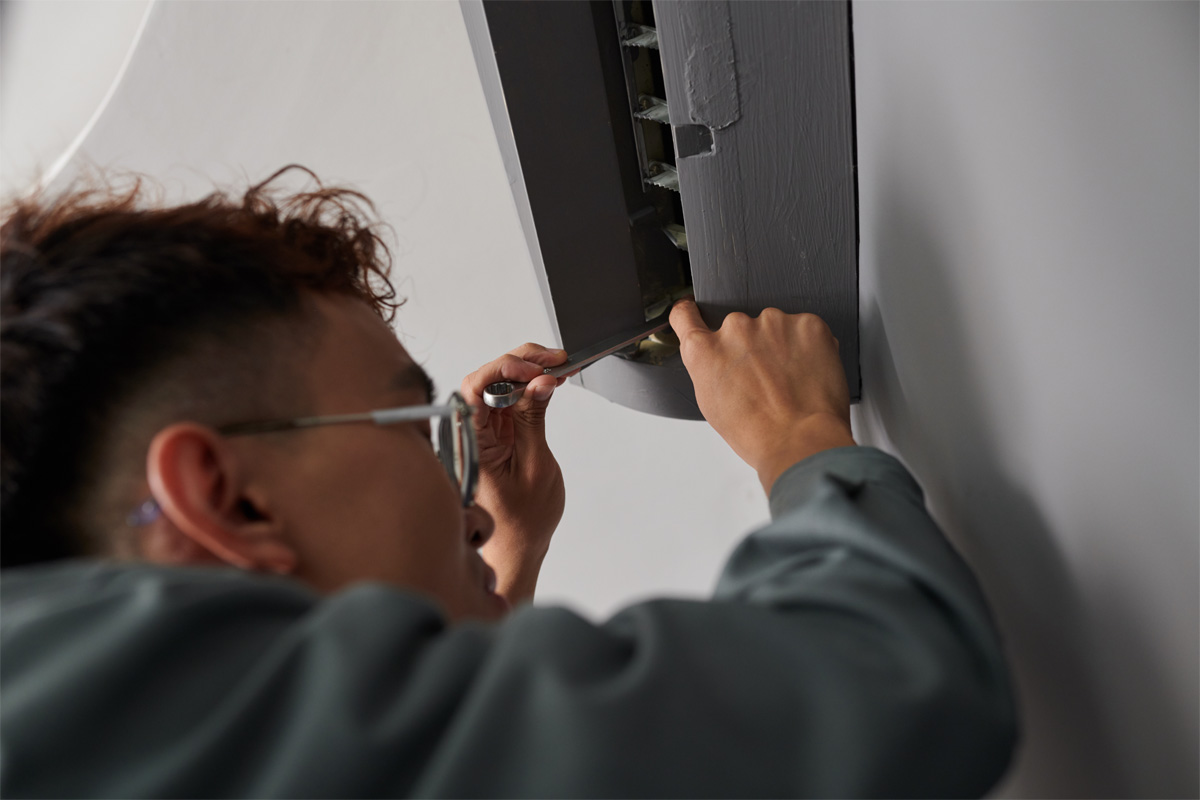
Homeowner Fixing Ac That Is Not Cooling In Wichita Ks

The blazing summer heat in Wichita, Kansas, can make your home feel unbearable, especially if your air conditioner stops working. Before you rush to schedule an air conditioning repair, know that some common AC problems have quick and simple fixes you can try yourself. At Mike Watson Heating & Cooling, we’re proud to be one of the most trusted HVAC companies in Wichita. That’s why we put together this guide to help homeowners troubleshoot when their AC is not cooling. Don’t worry, if the steps provided don’t fix your air conditioner we’re here with fast, reliable air conditioning repair services in Wichita, KS.

1. Replace the AC Air Filter

A clogged air filter is one of the most common cause of air conditioner issues. Clogs restrict airflow, forcing your HVAC system to work harder and reducing cooling efficiency. In severe cases, blockages can even cause your evaporator coil to freeze, leaving behind water, and serious damages.

Wichita summers mean more time indoors with the AC running non-stop. If you have pets or allergies, your filter can get dirty even faster. As a rule of thumb, aim to replace your air filter every one to three months, especially during the high-demand cooling season.

Our Recommendation: Buy filters in bulk and set monthly reminders on your phone to stay ahead of schedule.

2. Check for a Frozen Evaporator Coil

Yes, your air conditioner can freeze even during a 100 degree Kansas summer. Who knew? If you see ice forming on the refrigerant lines or water around the indoor unit, you likely have a frozen evaporator coil.

It’s important to keep in mind, some components of your air conditioner can be dangerous if not handled properly. Always prioritize safety when inspecting your HVAC system. If you ever feel uncomfortable with the steps outlined, contact a local HVAC technician for expert help.

Here’s how you can fix a frozen evaporator coil:

  • Turn off your AC at the thermostat, but leave the fan running for one to two hours to help melt the ice.
  • While waiting, check your air filter and replace it if needed.
  • Once thawed, turn your AC back on. If it freezes again, it’s time to call for professional AC repair.

3. Replace Thermostat Batteries

If your digital thermostat has dead or low batteries, it may stop communicating with your HVAC system. This could cause your AC to stop working entirely. Before assuming there’s a major problem, try popping in fresh batteries. You might be surprised how common this problem can be and how easy it is to fix!

4. Try Resetting Your Air Conditioning System

Sometimes, a quick reset is all your AC system need to get back to normal. Just like rebooting a computer or smartphone, power cycling your air conditioner can clear our minor glitches or communication issues between your thermostat and cooling system.

Two ways to try resetting your HVAC system:

  • Turn your system off at the thermostat, wait 30 seconds, then turn it back on.
  • If that doesn’t work, locate your electrical panel and reset the breaker connected to your AC.

These steps are especially helpful if your system is:

Pro Tip: If your AC repeatedly needs resetting or trips the breaker frequently, it’s a sign of a larger issue, like electrical faults, compressor failure, or thermostat malfunction. In that case, call a licensed HVAC technician for a professional diagnosis

When to Call an HVAC Pro in Wichita

Some AC issues require expert attention. If you’ve tried these basic troubleshooting steps and your air conditioner is still not working, or if you notice unusual smells, sounds, or your AC is blowing hot air from the vent, it’s time to call Mike Watson Heating & Cooling.

We offer fast, friendly, and affordable air conditioning repair in Wichita and the surrounding areas.

How to Prevent Future AC Problems

The best way to avoid costly air conditioner repairs is with regular preventive maintenance. Scheduling an annual AC tune-up in Wichita helps your system run efficiently all summer long. Our technicians will check refrigerant levels, clean your outdoor unit, inspect components, and help you avoid breakdowns during heatwaves.

Another tip: Keep your thermostat at 72°F or higher, and use ceiling fans to help circulate cool air. Wichita summers are hot and humid, and pushing your AC below 70°F can overwork the system and spike your energy bill.

Still Need Help?

If your AC is still not cooling properly or won’t turn on after trying these DIY tips, don’t sweat it, Mike Watson Heating & Cooling is here to help. We’re available for 24/7 AC repair services in Wichita, KS, and our licensed HVAC technicians are just a call away.

Contact us today to schedule your air conditioner repair and get your home cool and comfortable again.

What Every Business Owner Should know About the 2025 Refrigerant Change

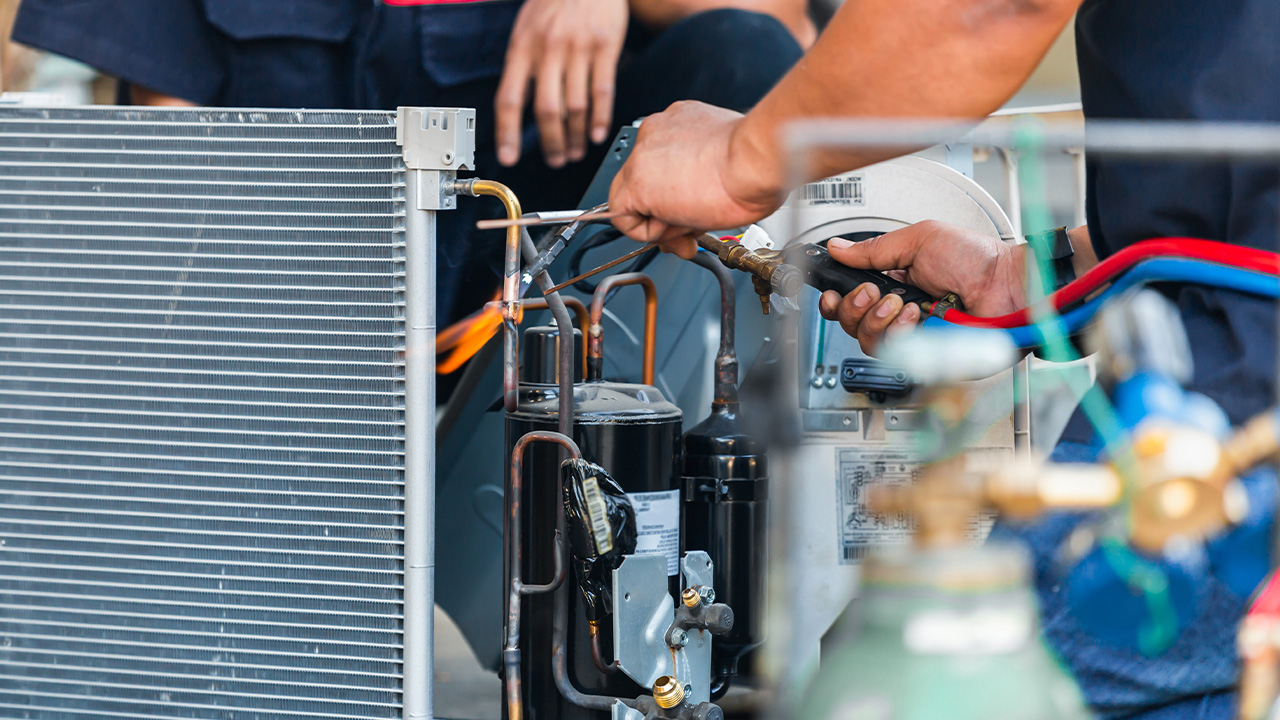
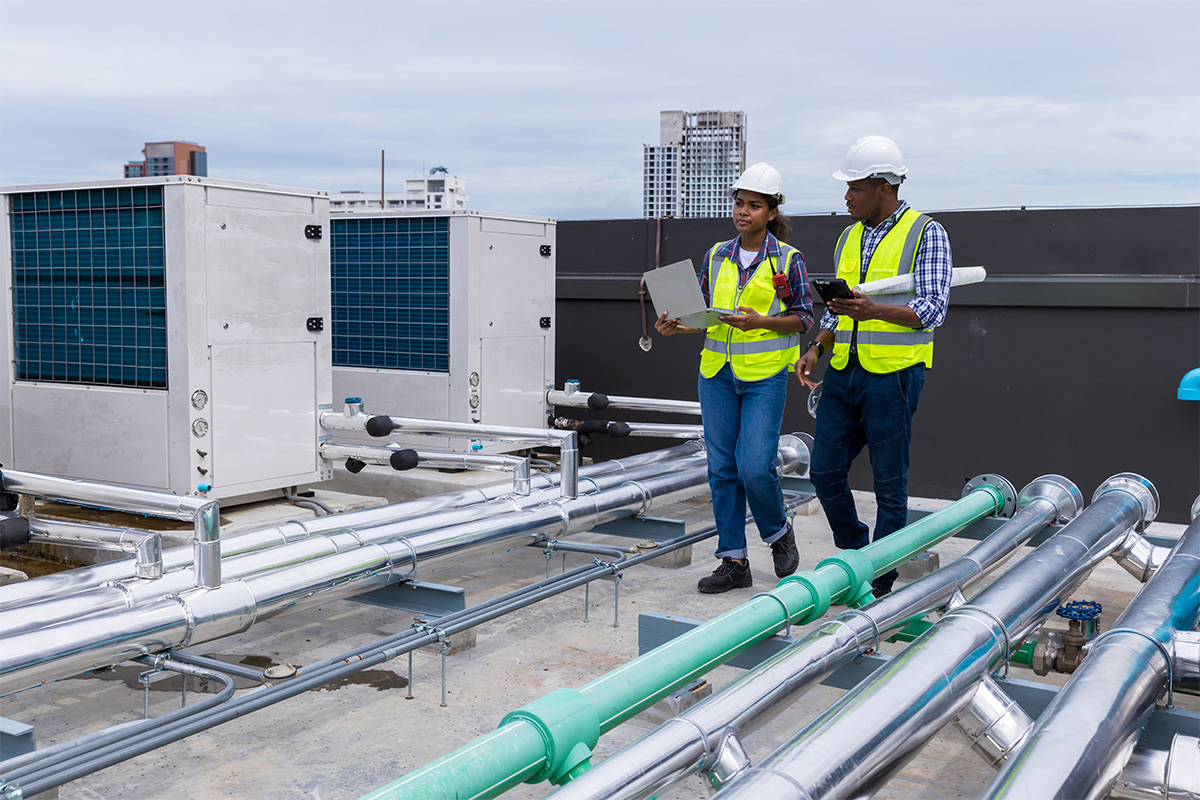
Hvac Technicians Inspecting Commercial Ac For New 2025 Refrigerants

Starting in 2025, the HVAC industry is transitioning to using A2L refrigerants as part of new environmental regulations designed to reduce global warming potential (GWP). The transition will primarily affect new HVAC installations, and existing systems will continue to operate as usual for the time being. However, business owners need to prepare for the upcoming changes, as future HVAC upgrades and installations will be require more environmentally friendly refrigerants. In this blog, we answer top questions from business owners and give you all the information you need on 2025 refrigerant change for businesses.

What is Refrigerant?

Refrigerant is a chemical compound used in HVAC systems to transfer heat, keeping indoor spaces cool and comfortable. It moves through coils and insulated lines, changing from liquid to vapor as it absorbs heat from inside and releases it outside. Without refrigerant, HVAC systems wouldn’t be able to function effectively, making it a critical part of maintaining climate control in your business.

What Does Refrigerant Do for My Business?

HVAC refrigerant plays a vital role in your commercial heating and cooling systems, directly impacting indoor comfort, operating efficiency, and equipment performance. Here’s a breakdown of what it does and why it matters for your business:

  1. Enables Heat Exchange for Cooling and Heating
  2. Protects Productivity and Equipment
  3. Impacts Operating Costs and Efficiency
  4. Affects Regulatory Compliance

What is R-410A Refrigerant?

R-410A has been the standard refrigerant for commercial HVAC systems for years, replacing older refrigerants like R-22 due to its zero ozone depletion potential. However, R-410A is now being phased down because of its high global warming potential (GWP). As the EPA introduces new environmental standards, the HVAC industry is turning to refrigerants with lower GWP, such as A2L refrigerants.

What Refrigerant is Replacing R-410A?

To comply with new EPA regulations, the HVAC industry is shifting to A2L refrigerants, which have a significantly lower GWP. A2L refrigerants are classified as mildly flammable, but their lower environmental impact makes them a key part of efforts to make HVAC systems more energy-efficient and eco-friendly.

What You Should Know About A2L Refrigerants

A2L refrigerants are a class of refrigerants that are lower in GWP, have low toxicity, and are mildly flammable compared to older options like R-410A. Their use will help reduce the environmental impact of HVAC systems while maintaining effective cooling performance.

The two main types of A2L refrigerants used for commercial cooling systems are R-454B and R-32. These refrigerants will replace R-410A in new systems going forward.

Frequently Asked Questions About A2L Refrigerants

As the HVAC industry transitions to A2L refrigerants, business owners have practical concerns regarding the impact on their operations, equipment, and bottom line. Here are some of the most common questions from businesses navigating this change.

Do I need to Replace My HVAC System for the A2L Refrigerant Transition?

Not immediately. If your HVAC system uses R-410A or other existing refrigerants, it will continue to function as normal for the foreseeable future. The shift to A2L refrigerants will primarily affect new system installations. However, when it’s time to replace your system, you will need to choose a system that uses A2L refrigerants.

Will A2L Refrigerants Raise My Operating Costs?

Your operating costs are unlikely to increase as a result of this change. A2L refrigerants, such as R-454B and R-32, are designed to be more energy-efficient, potentially reducing operating costs. By improving system efficiency, your business could see reduced energy consumption, which may lead to lower utility bills over time. Additionally, many A2L-compatible systems offer improved performance and reliability, which can reduce long-term maintenance costs.

Is it Safe to Use A2L Refrigerants for My Business?

Yes, A2L refrigerants are safe for use in commercial HVAC systems. While they are classified as mildly flammable, they are difficult to ignite and are much safer than older refrigerants like propane. Extensive testing has been conducted to ensure their safety under normal operating conditions. Proper installation by the trained professionals at Mike Watson Heating & Cooling ensures that your system remains safe and compliant with all updated codes and regulations.

Can My Existing HVAC System Use A2L Refrigerants, or Will I Need New Equipment?

No. While new HVAC systems will use A2L refrigerants, you do not need to replace all of your existing equipment. If you have systems that are still functional, they will continue to operate normally. However, for new installations or when replacing outdated systems, A2L refrigerants will be required. Planning ahead for these changes can help you budget effectively for future HVAC system upgrades.

How Can I Prepare for the 2025 Refrigerant Change

As a business owner, you’ll need to ensure that your HVAC systems are compliant with updated environmental standards. At Mike Watson Heating & Cooling, our licensed HVAC professionals are knowledgeable about the refrigerant shift and can answer any questions you may have. We can help assess your current systems, make plans for future AC replacement, and ensure that your equipment is compliant with the latest regulations.

Wichita’s Trusted Air Conditioning Pros | Mike Watson Heating & Cooling

Mike Watson Heating & Cooling is here to help your business navigate the transition to A2L refrigerants seamlessly. Our experienced team offers comprehensive HVAC services, including system design, installation, maintenance, and upgrades. We stay on top of industry trends and regulations, ensuring that your business remains compliant and energy-efficient.

Contact us today to learn more about how we can help you stay ahead of the 2025 refrigerant transition!