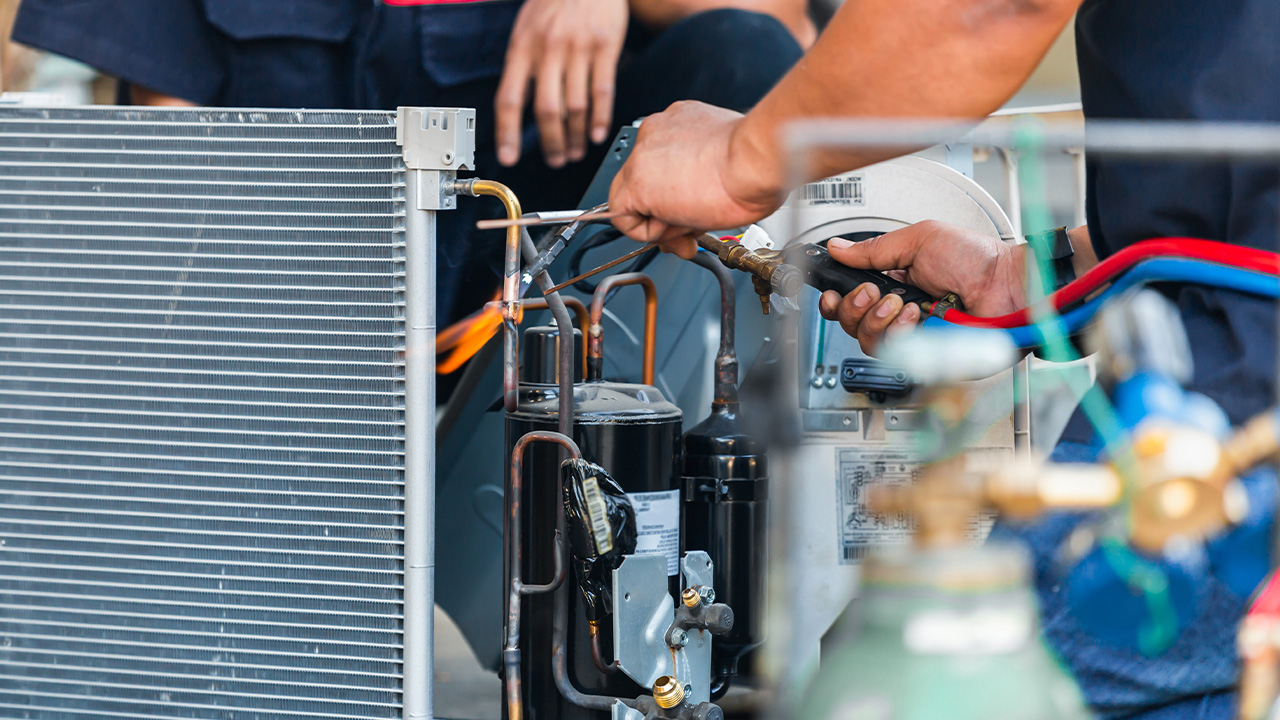
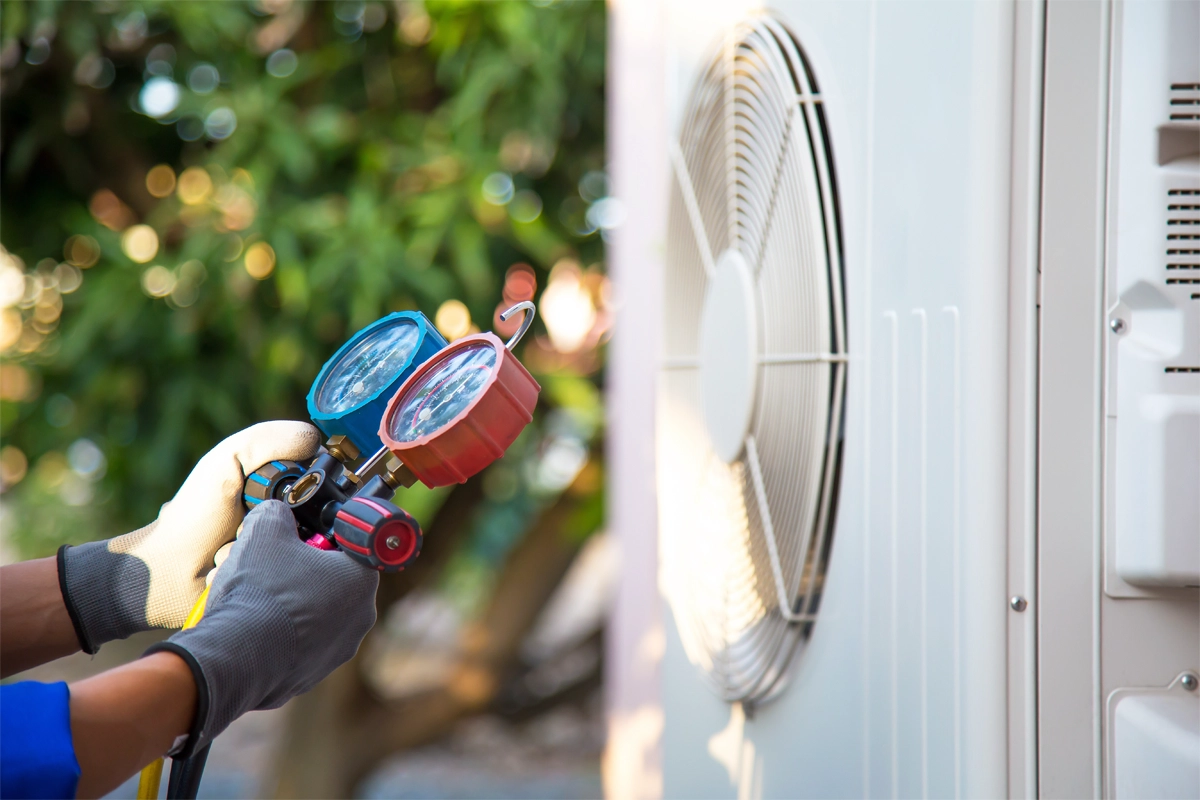
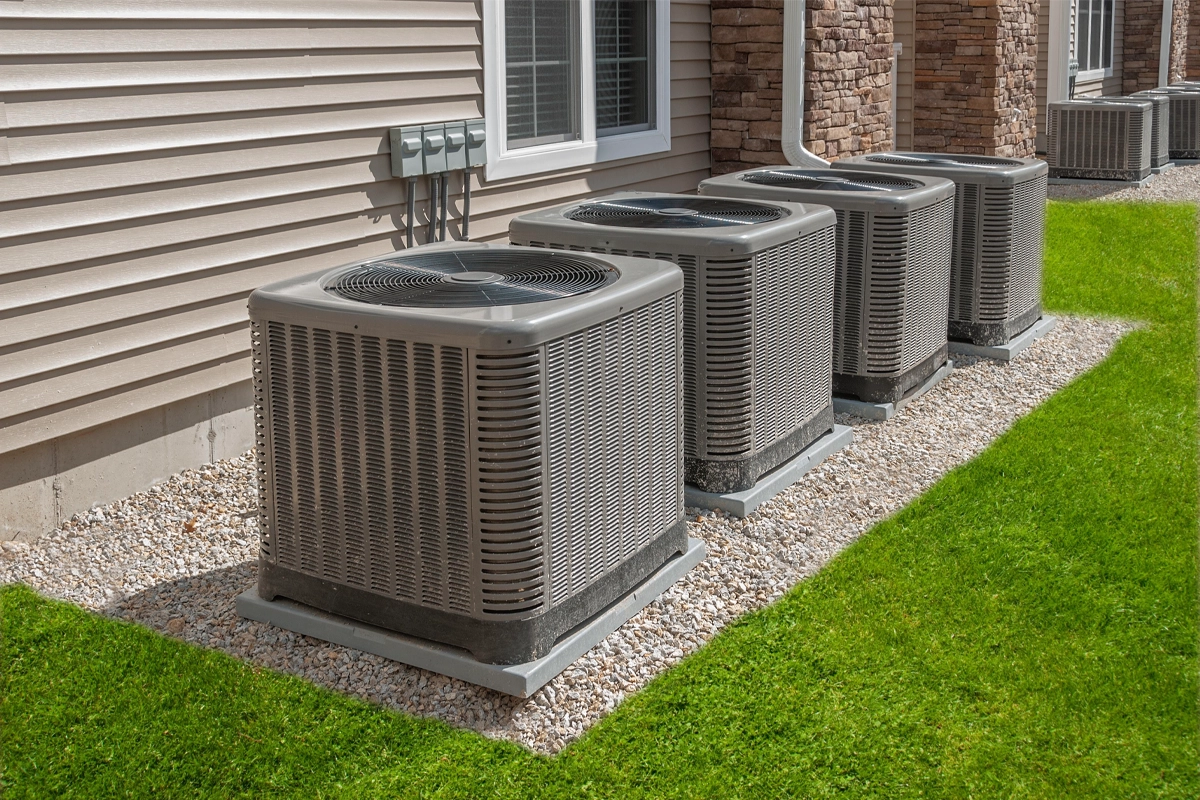
When your air conditioner will not turn on, the issue moves quickly from inconvenience to urgency. Wichita summers escalate fast. A non-functioning AC system requires immediate troubleshooting. Before assuming major failure, isolate the basics.
Step 1: Check the Thermostat
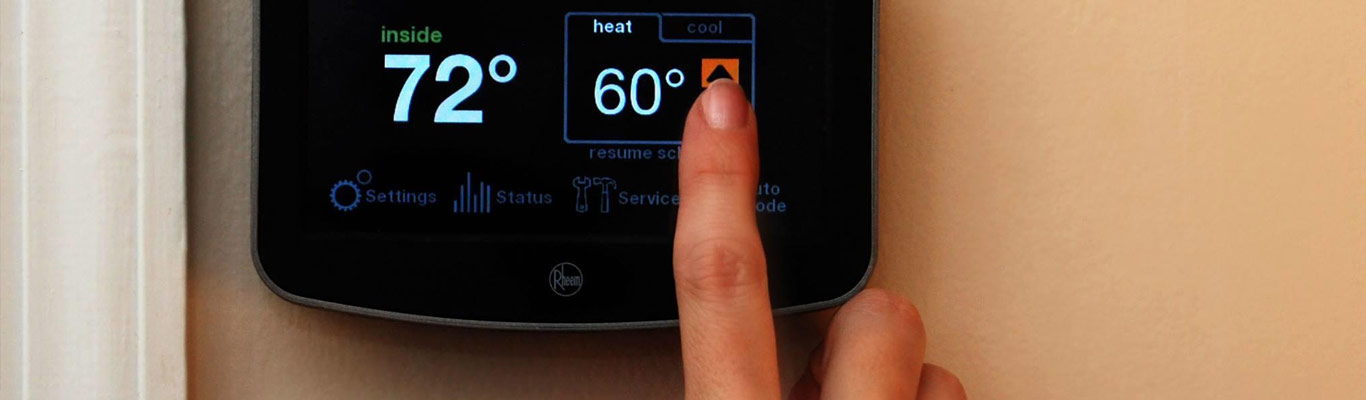
Is it set to “Cool”?
Is the temperature set below room temperature?
Are batteries dead?
Is the display blank?
Thermostat failure prevents the outdoor condenser from receiving a cooling signal.
Step 2: Check the Circuit Breaker
Air conditioners use two breakers:
One for the indoor air handler/furnace blower
One for the outdoor condenser
If either breaker trips:
Reset once
If it trips again, stop
Repeated tripping signals electrical or compressor problems.
Step 3: Inspect the Outdoor Disconnect
Near the outdoor unit, there is typically a disconnect box. Confirm:
The disconnect is fully inserted
No visible damage exists
Do not open electrical panels beyond basic verification.
Step 4: Check the Air Filter
Replace the filter and allow the system to thaw if ice is present. Annual AC tune-ups include airflow and coil inspection. A severely clogged filter can:
Restrict airflow
Cause evaporator coil to freeze
Trigger system shutdown
Step 5: Listen for the Outdoor Unit
If the thermostat calls for cooling:
Indoor blower may run
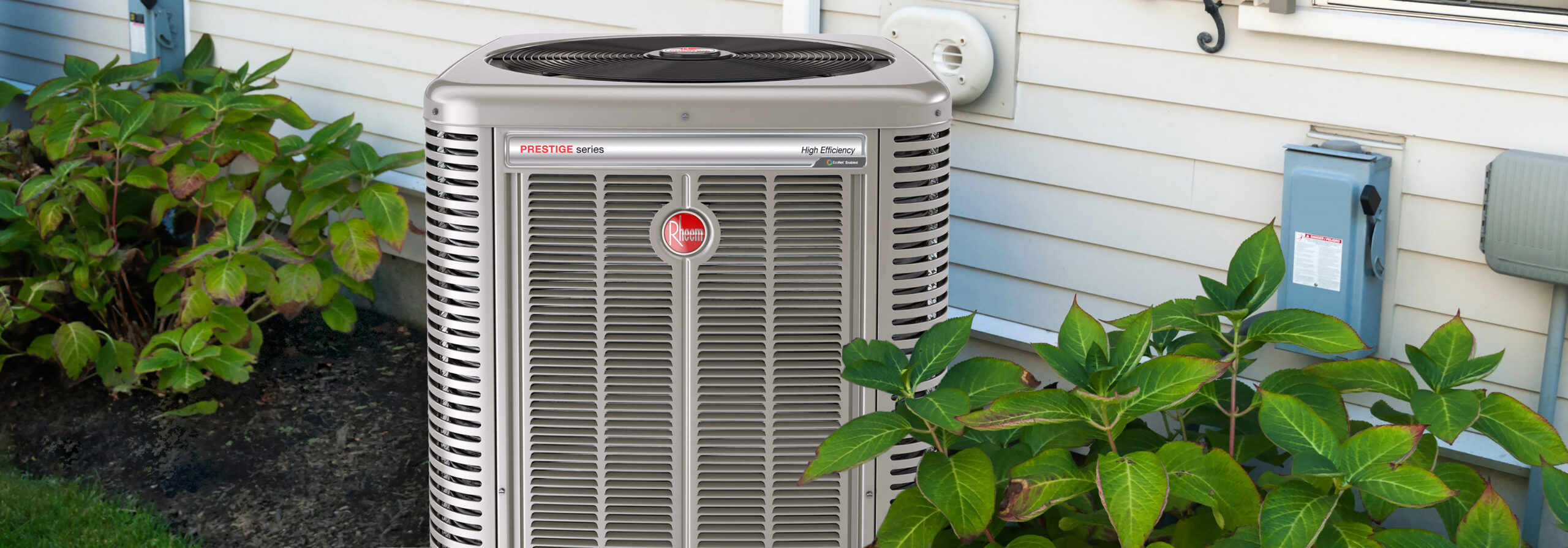
Outdoor condenser should start
If the indoor fan runs but outdoor unit is silent, possible causes include:
If refrigerant lines or the indoor coil are frozen:
Turn system off
Switch fan to “On” to circulate air
Allow full thaw
Running a frozen system can damage the compressor. Low refrigerant or airflow issues commonly cause freeze-ups.
When to Call for AC Repair
Most air conditioners last 15–20 years depending on maintenance. If your unit is aging and experiencing startup failure, a new Rheem AC system may be more cost-effective than repeated repairs. Call for service if:
Breakers repeatedly trip
Outdoor unit will not start
Ice continues forming
System hums but does not run
AC is over 15 years old
Emergency AC Repair in Wichita
Mike Watson Heating and Cooling provides 24/7 emergency air conditioner repair throughout Wichita and surrounding communities. Licensed technicians service all major AC brands. Services include:
AC repair
AC replacement
AC maintenance and tune-ups
Service area includes Wichita and surrounding counties. Call 316-522-3528 for AC repair in Wichita.
Air conditioners do not fail randomly. They decline gradually, then fail during peak heat. In Wichita, where summer temperatures regularly climb into the 90s and above, lifespan planning prevents emergency replacement decisions.
Average AC Lifespan in Kansas
Most central air conditioners last 15–20 years Lifespan depends on:
Installation quality
Maintenance history
Usage intensity
Exposure to debris and weather
Proper system sizing
Wichita summers place sustained demand on cooling systems.
Signs Your AC Is Nearing End of Life
System is over 15 years old
Frequent repairs each summer
Rising electric bills
Weak airflow
Warm air complaints
Loud operation
Uses outdated refrigerant
Age alone does not require replacement, but it increases risk.
Repair or Replace?
If a major repair exceeds 40–50% of replacement cost, AC replacement typically makes more sense. Use this framework:
Under 10 years old → Repair usually logical
10–15 years old → Depends on repair cost
Over 15 years old → Evaluate replacement seriously
Over 20 years old → Replacement often more economical
Efficiency Matters in Wichita
Cooling accounts for a significant portion of summer energy usage. High-efficiency air conditioners can reduce energy use by 20–50% compared to older systems, according to Energy.gov. If your electric bill climbs each summer while cooling performance declines, efficiency loss is likely.
Refrigerant and Age
Major refrigerant repairs on aging units often trigger replacement discussion. Older systems may use refrigerant types that are:
Maintenance reduces breakdown risk and maximizes lifespan. However, maintenance cannot reverse age-related decline. Annual AC tune-ups typically include:
Cleaning condenser coils
Checking refrigerant levels
Inspecting electrical components
Flushing condensate drain
Verifying airflow
Should You Replace Furnace and AC Together?
If both systems are over 15 years old, combined replacement may reduce total labor cost and align equipment lifespan. Matched systems improve airflow compatibility.
When to Schedule Replacement
Avoid waiting for complete failure during peak summer. Planned replacement avoids heatwave emergencies. Consider replacement if:
What Drives the Price and When Replacement Makes More Sense
When your furnace stops working in, the first question is not technical. It is financial.
“What is this going to cost?”
Furnace repair pricing in Wichita varies because no two failures are identical. Understanding what drives cost reduces uncertainty and prevents reactionary decisions.
What Influences Furnace Repair Cost?
A simple ignition issue is not priced like a heat exchanger failure. There is no flat repair price because cost depends on:
Type of failure
Age of system
Part availability
Labor time required
Emergency timing
Safety concerns
Common Furnace Repairs and Cost Range Drivers
Ignitor or Flame Sensor Replacement
Common failure
Usually lower labor time
Often economical to repair
Blower Motor Replacement
Moderate part cost
More labor-intensive
Decision influenced by system age
Control Board Replacement
Higher part cost
Electronic diagnostic required
Age of system matters
Heat Exchanger Replacement
Major repair
Often approaches cost of new furnace
Frequently triggers replacement discussion
Emergency vs Scheduled Repair
Mike Watson Heating & Cooling offers 24/7 emergency furnace service in Wichita. Emergency timing may influence labor cost depending on:
After-hours dispatch
Severe weather demand
Peak season scheduling
Planned maintenance reduces emergency exposure.
The Repair vs Replacement Threshold
If a repair approaches 40–50% of replacement cost, furnace replacement becomes financially logical. Most gas furnaces last 15–30 years depending on maintenance. Replacement may offer better long-term cost control. If your system is:
Over 15 years old
Requiring repeated repairs
Experiencing major component failure
Efficiency Impacts Long-Term Cost
Heating represents a large portion of residential energy usage. Older systems operate at lower efficiency levels. If repair restores function but not efficiency, you may still face elevated gas bills. New high-efficiency furnaces reduce fuel waste and stabilize long-term operating costs.
Safety Considerations Affect Cost Decisions
Gas furnaces require safe combustion and ventilation. If you:
Smell gas
Suspect carbon monoxide
Have a confirmed cracked heat exchanger
Leave the building immediately and contact Kansas Gas Service before calling for HVAC repair. Safety failures often move the decision from repair to replacement.
What a Professional Diagnostic Includes
Accurate diagnosis precedes accurate pricing. Before pricing repair, a technician must:
In Wichita, your furnace is not optional equipment. When January temperatures drop below freezing and the Kansas wind picks up, your heating system carries most of the comfort load inside your home.
If your furnace is aging, the real question is not whether it will fail. It is when.
This guide explains realistic furnace lifespan expectations, warning signs of decline, and how to decide between repair and replacement.
Average Furnace Lifespan in Kansas
Most Wichita homes use natural gas furnaces. A typical gas furnace lasts between 15 and 30 years, depending on:
Installation quality
Maintenance history
System sizing
Usage patterns
Airflow and duct condition
Even though some units reach 25+ years, performance and efficiency often decline well before total failure. If your furnace is over 15 years old, replacement should at least be part of the conversation .
Why Furnace Age Matters in Wichita
Kansas winters create extended heating demand. Cold snaps force systems to:
Run longer cycles
Cycle more frequently
Operate near capacity
An older furnace under heavy seasonal load is more likely to experience:
Heat exchanger cracks
Ignition failures
Blower motor wear
Electrical component failure
Failure during peak winter often leads to emergency replacement decisions under pressure. Planned replacement avoids that scenario.
Warning Signs Your Furnace Is Near the End
1. Frequent Repairs
If you are repairing the system every winter, repair stacking becomes expensive. When annual repair costs begin compounding, replacement typically provides better long-term cost control.
2. Rising Energy Bills
If gas usage climbs but comfort declines, efficiency is dropping. Older furnaces operate at lower AFUE ratings than modern systems. Replacing an outdated system can significantly reduce heating costs over time.
3. Uneven Heating
Cold rooms, weak airflow, or short cycling can indicate:
Blower decline
Duct issues
Improper sizing
Aging internal components
While some airflow problems are duct-related, aging furnaces frequently contribute.
4. Cracked Heat Exchanger
This is a critical failure. A cracked heat exchanger can allow carbon monoxide leakage. Repair is often close in cost to replacement and may not be financially practical.
5. System Age Over 20 Years
Even if operating, reliability risk increases sharply after 20 years. At this stage, replacement is proactive risk management.
Repair or Replace: A Simple Financial Framework
“If a repair exceeds 40–50% of the cost of a new furnace, replacement usually makes more financial sense.”
Waiting for a breakdown limits options. Planned replacement provides:
Time to compare efficiency levels
Financing flexibility
Equipment selection control
Scheduling convenience
Avoidance of emergency premiums
It also allows evaluation of related upgrades, such as zoning adjustments or smart thermostat integration.
How Annual Maintenance Extends Furnace Life
A professional furnace tune-up typically includes:
Inspecting the heat exchanger
Testing gas pressure
Checking ignition system
Inspecting electrical connections
Testing carbon monoxide levels
Annual maintenance reduces breakdown risk and helps maximize lifespan. However, maintenance cannot reverse age-related decline.
Wichita Service Coverage
Mike Watson Heating and Cooling provides furnace repair, maintenance, and replacement throughout Wichita and surrounding counties. For professional furnace evaluation or replacement estimates, call 316-522-3528.
During the winter your HVAC system is working harder than at any other time of year. Neglected heating systems are more than just an inconvenience; they are a significant safety risk. From carbon monoxide leaks to electrical fire hazards and catastrophic mid-winter breakdowns, the stakes are high. This guide to winter HVAC safety provides actionable steps to keep your family remains safe and your equipment stays efficient all season long.
1. Schedule a Professional Pre-Season Inspection
Many homeowners view a furnace tune-up as an optional luxury. In reality, it is a critical safety intervention. A professional HVAC maintenance visit is designed to catch “invisible” problems before they become life-threatening.
Why It Matters
The most vital part of a furnace inspection is checking the heat exchanger. This is the component that separates the combustion process from the air you breathe. If the heat exchanger develops even a microscopic crack, it can leak carbon monoxide into your home. Technicians use specialized tools to detect these cracks that the untrained eye would miss.
What’s Included in a Furnace Safety Inspection:
Gas Pressure Testing: Ensuring the fuel-to-air ratio is correct for clean combustion.
Electrical Connections: Tightening wires that may have loosened due to system vibrations, preventing electrical shorts.
Burner Cleaning: Removing dust and soot that can cause “delayed ignition,” which results in a loud, scary bang when the furnace starts.
2. Prioritize Carbon Monoxide (CO) Safety
Carbon monoxide is often referred to as the “silent killer” because it is completely colorless, odorless, and tasteless. According to the CDC, hundreds of people are hospitalized every year from accidental CO poisoning, often caused by malfunctioning heating systems.
Take Immediate Action
Don’t wait for a “beep” to tell you something is wrong. Test your CO detectors monthly by pressing the test button. If your detectors are more than five to seven years old, replace them entirely, as the sensors inside degrade over time.
Strategic Placement
To maximize safety, ensure you have detectors in the following locations:
On every level of the home (including the basement).
Inside or directly outside every sleeping area.
At least 15 feet away from fuel-burning appliances to prevent “nuisance alarms.”
3. Keep Vents and Exhaust Pipes Clear
Your HVAC system needs to “breathe” to function safely. Obstructed airflow is one of the leading causes of system overheating and mechanical failure.
Outdoor Safety: The Snow Factor
During heavy snowfall, your furnace’s external intake and exhaust pipes (usually white PVC pipes sticking out the side of your house) can become buried. A blocked furnace exhaust causes dangerous gases to back up into your home. After every snowstorm, grab a shovel and ensure these pipes are clear of snow, ice, and bird nests.
Indoor Safety: Furniture Placement
It is tempting to push a sofa over a floor vent to save space, but this is a fire hazard. Blocking vents restricts airflow, causing the internal components of your furnace to reach dangerously high temperatures. Ensure there is at least a 12-inch clearance around all supply and return vents.
4. Replace Air Filters Regularly
The humblest part of your HVAC system is also one of its most important safety features: the air filter.
The Safety Link
When a filter is clogged with dust, pet hair, and dander, the blower motor has to work twice as hard to pull air through. This lack of airflow causes the heat exchanger to overheat. Most modern furnaces have a “limit switch” to shut the system down if it gets too hot, but repeated overheating can lead to a cracked heat exchanger—bringing us back to the risk of carbon monoxide.
Recommendation: Check your filter every 30 days during the winter. If you have pets or live in a dusty area, you will likely need to change it monthly to maintain HVAC vent safety and system longevity.
5. Space Heater Integration & Safety
When a specific room feels chilly, many homeowners turn to portable space heaters. While effective for localized warmth, they are a primary cause of home fires if used incorrectly.
The Golden Rules of Space Heaters
The 3-Foot Rule: Keep space heaters at least three feet away from anything that can burn, including curtains, bedding, rugs, and paper.
No Extension Cords: High-wattage space heaters can easily overheat an extension cord or power strip, leading to a fire. Always plug them directly into a wall outlet.
Automatic Shut-off: Only use heaters that feature a “tip-over” switch, which cuts power if the unit is knocked over.
Pro Tip: Never use a space heater as a permanent substitute for a functioning HVAC system. If you find yourself relying on one daily, your main heating system likely needs professional repair.
6. Smart Thermostat Best Practices
Using your thermostat correctly can prevent unnecessary stress on your furnace and protect your home’s infrastructure.
Avoid the “Big Jump”
There is a common myth that cranking your thermostat to 80°F will heat the house faster. It won’t. Your furnace provides heat at a steady rate; setting it higher just means it will run longer, potentially straining the motor. Increase the temperature in small increments or use a “smart” schedule to gradually warm the home before you arrive.
Prevent Frozen Pipes
If you are leaving for vacation, never turn your heat completely off. Set your thermostat to an “away” temperature of at least 55°F. This ensures that the air circulating in your wall cavities stays warm enough to prevent water pipes from freezing and bursting.
7. Recognize the Warning Signs
Your HVAC system will often try to tell you it’s in trouble before it fails completely. Being a “house whisperer” can save your life.
Visual Cues
Pilot Light Color: A healthy pilot light or burner flame should be a crisp blue. If the flame is yellow or flickering, it indicates incomplete combustion and the presence of carbon monoxide. Soot: If you see dark staining or soot around the furnace cabinet or registers, shut the system off and call a pro immediately.
Auditory Cues
Listen for new sounds. Banging can indicate a delayed ignition issue, screeching often points to a failing motor bearing, and persistent rattling could mean a loose panel or a failing component.
Physical Cues (The Most Important)
If you or your family members experience unexplained headaches, dizziness, nausea, or fatigue that seems to improve when you leave the house, exit the premises immediately and call the fire department. These are classic symptoms of CO poisoning.
Safety is an Investment
Winterizing your HVAC system is about more than just avoiding a cold night; it’s about protecting your home and your family. By scheduling a furnace safety inspection, staying vigilant about air filters, and respecting the power of carbon monoxide, you transform your heating system from a potential hazard into a reliable source of comfort. A little bit of maintenance today prevents a major emergency tomorrow. Don’t wait for the next blizzard to find out your system is struggling. Contact us today to schedule your annual safety check.
For homeowners across Wichita, KS, facing a heating system breakdown in the middle of January is a desperate emergency. The clear, proactive solution is a professional, annual furnace maintenance tune-up. A fall furnace tune-up appointment safeguards your home, your family’s comfort, and your budget. For three generations, Mike Watson Heating & Cooling has been the trusted local expert dedicated to protecting the comfort and safety of Wichita families. We know what it takes to keep a system running efficiently through the harshest Kansas weather. Ignoring this critical service is simply not worth the risk.
Top 3 Reasons to Schedule Your Furnace Tune-Up Now
By taking preemptive action, you protect yourself against the three biggest risks of the heating season: unexpected costs, energy waste, and system failure.
1. Prevent Costly & Dangerous Heating System Breakdowns
The most common reason for a heating system breakdown is a small, unaddressed issue that compounds into a major failure. A loose wire, a dirty flame sensor, or a struggling blower motor might seem minor during the fall, but under the stress of continuous winter use, they will eventually cause your entire furnace to shut down.
Why Professional Furnace Tune-Ups Help
A professional furnace tune-upshifts your approach from emergency repairs to proactive care. During our inspection, we catch those potentially risky components, worn belts, deteriorating capacitors, or clogged drains, and replace them while they are still cheap and easy to fix.
By catching and correcting these issues early, you avoid the high cost and stress of an after-hours emergency repair call. While Mike Watson Heating & Cooling offers prompt 24/7 emergency service for the unexpected, our goal is to help you avoid that late-night panic altogether.
2. Dramatically Lower Your Wichita Heating Bills
A dirty or poorly calibrated furnace is an inefficient one. Even a simple layer of dust or grime on a key component forces the entire furnace to work harder and run longer to meet your thermostat setting. This unnecessary strain translates directly into wasted energy and higher monthly utility bills.
Furnace Efficiency Benefits
Consider the role of the air filter: a clogged filter severely restricts airflow, forcing the blower motor to pull more electricity and stress the heat exchanger. In time, this translates to higher efficiency, reducing your energy bills throughout the winter. Additionally, The U.S. Department of Energystates that properly maintained modern heating systems can achieve efficiency as high as 98.5%
In short, a well-maintained furnace uses less fuel (gas or electric) to produce the same amount of heat. This not only lowers your heating bills but also reduces your home’s carbon footprint, making annual service a smart choice for both your wallet and the environment.
3. Extend the Lifespan of Your Furnace
Your furnace is one of the most expensive appliances in your home. Just like your car requires an oil change and tire rotation, your heating system requires regular lubrication and cleaning to prevent component wear. Maintenance keeps all moving parts properly lubricated, reducing friction that causes premature failure.
If your system is a dependable brand like a Rheem furnace, annual care helps you maximize the return on that initial investment, delaying the need for a full replacement. Regular maintenance is the single most effective way to protect your system. To prove this point, Carrier states that a well maintained furnace and heating system can last at least 15 to 20 years and save homeowners hundred in expenses.
Safety First: Carbon Monoxide and Your Home
While efficiency and cost savings are great, the most crucial benefit of an annual furnace tune-up is safety. Combustion furnaces produce exhaust gases, including carbon monoxide (CO).
Heat Exchanger Inspection
The heart of the safety check revolves around the heat exchanger. This component separates the air you breathe from the combustion gasses. Over years of use, extreme temperature changes can cause the metal of the heat exchanger to crack. If this happens, toxic exhaust gases, including carbon monoxide, can leak directly into your home’s ductwork and living space.
During your annual service, technicians diligently inspect the heat exchanger for any signs of cracks, rust, or deterioration. Tests also include performance optimizing and venting to make sure exhaust gases are leaving your home safely. While a carbon monoxide detector provides a last line of defense, professional maintenance makes sure the system operates safely in the first place.
At Mike Watson Heating & Cooling our skilled technicians use a rigorous, multi-point checklist for every tune-up. Here is a closer look at some of the most critical steps we perform and why they matter:
Inspect and Clean Burner Assembly: The burners must be clean for optimal ignition and flame characteristics. Soot or rust buildup reduces heating capacity and wastes gas.
Test and Adjust Gas Pressure: Ensuring the pressure is exactly within the manufacturer’s specification is vital for safety and maximum fuel efficiency. Too low, and the system underperforms; too high, and it creates unnecessary wear.
Lubricate All Moving Parts: Motors and bearings require proper lubrication to prevent friction. Without it, components wear out rapidly, leading to expensive repairs and system failure.
Inspect/Test All Safety Controls and Electrical Connections: Every furnace has multiple safety switches designed to shut down the unit if a dangerous condition is detected. We verify that these controls are operational. We also tighten electrical connections to prevent dangerous shorts and arcing.
Check for Carbon Monoxide Leaks: Using specialized equipment, we test the air around the furnace and the exhaust to confirm zero CO leakage into your indoor air supply. As detailed above, this is the most critical safety check to detect deadly CO gas risks.
Calibrate the Thermostat: We make sure your thermostat is accurate and communicating correctly with the furnace. A faulty thermostat can cause your furnace to run unnecessarily or short-cycle, wasting energy and impacting comfort.
Inspect Flue and Venting: We verify that the flue pipe is clean, sealed, and properly routed to safely remove exhaust gases from your home.
Check Air Filter: We assess the condition of the air filter and recommend replacement to ensure healthy airflow.
Common Questions About Furnace Tune-Ups and Care
As a company serving the Wichita area, we frequently hear questions about preventative maintenance. Providing clear, helpful answers is part of our commitment to customer education.
How Often Should Wichita Homeowners Schedule Furnace Maintenance?
The general rule of thumb for both manufacturers and HVAC professionals is once per year. Theideal time for furnace maintenance is in the fall, before you rely on the system heavily. This gives us the chance to find and fix any problems during mild weather, guaranteeing your system is ready to operate safely and efficiently when the first severe cold snap hits.
What is the Difference Between DIY Checks and a Professional Furnace Tune-Up?
It’s tempting to think you can handle maintenance yourself, but true preventative care requires specialized tools and technical expertise.
DIY Furnace Check
Professional Furnace Tune-Up
Change the air filter: A simple, monthly task.
Measure gas pressure: Requires a manometer for accuracy.
Keep area clear: Clean debris away from vents and unit.
Inspect heat exchanger: Requires visual inspection and combustion testing.
Check thermostat batteries: Replace if it’s been longer than six months
Test safety controls: Verify shut-offs are working correctly.
Listen for strange noises: Immediately call technicians for loud consistent noises.
Lubricate motors & check belts: Specialized task to prevent failure
While DIY checks are valuable for day-to-day operation, they cannot substitute for the detailed safety and efficiency checks performed by a licensed HVAC technician.
Save Time, Effort, and Money: Schedule Your Furnace Tune-Up Today
When the brutal cold descends upon Wichita heating systems, the last thing you want is a sudden lack of heat, an expensive emergency repair bill, or a safety concern. An annual tune-up is the easiest, most cost-effective way to guarantee your system’s performance all winter long. Invest in peace of mind this heating season. Contact us today in Wichita and let our team protect your comfort this winter.
Every Wichita homeowner knows the feeling. You brace for the bone-chilling winds of a Kansas winter, only to turn around and prepare for the sizzling, humid heat of summer a few months later. Geothermal heating and cooling systems try to balance extreme temperatures by drawing on natural heat from the ground, providing your home with a consistent energy source.
That’s the principle behind geothermal energy. It’s a highly efficient heating and cooling method that taps into the stable temperature of the Earth itself. If you’ve heard the term but aren’t quite sure what it means, you’re in the right place. This guide will break down what geothermal heating and cooling is, how it works, and the real-world pros and cons to help you understand the technology, no sales pitch, just the facts.
How Does a Geothermal System Actually Work?
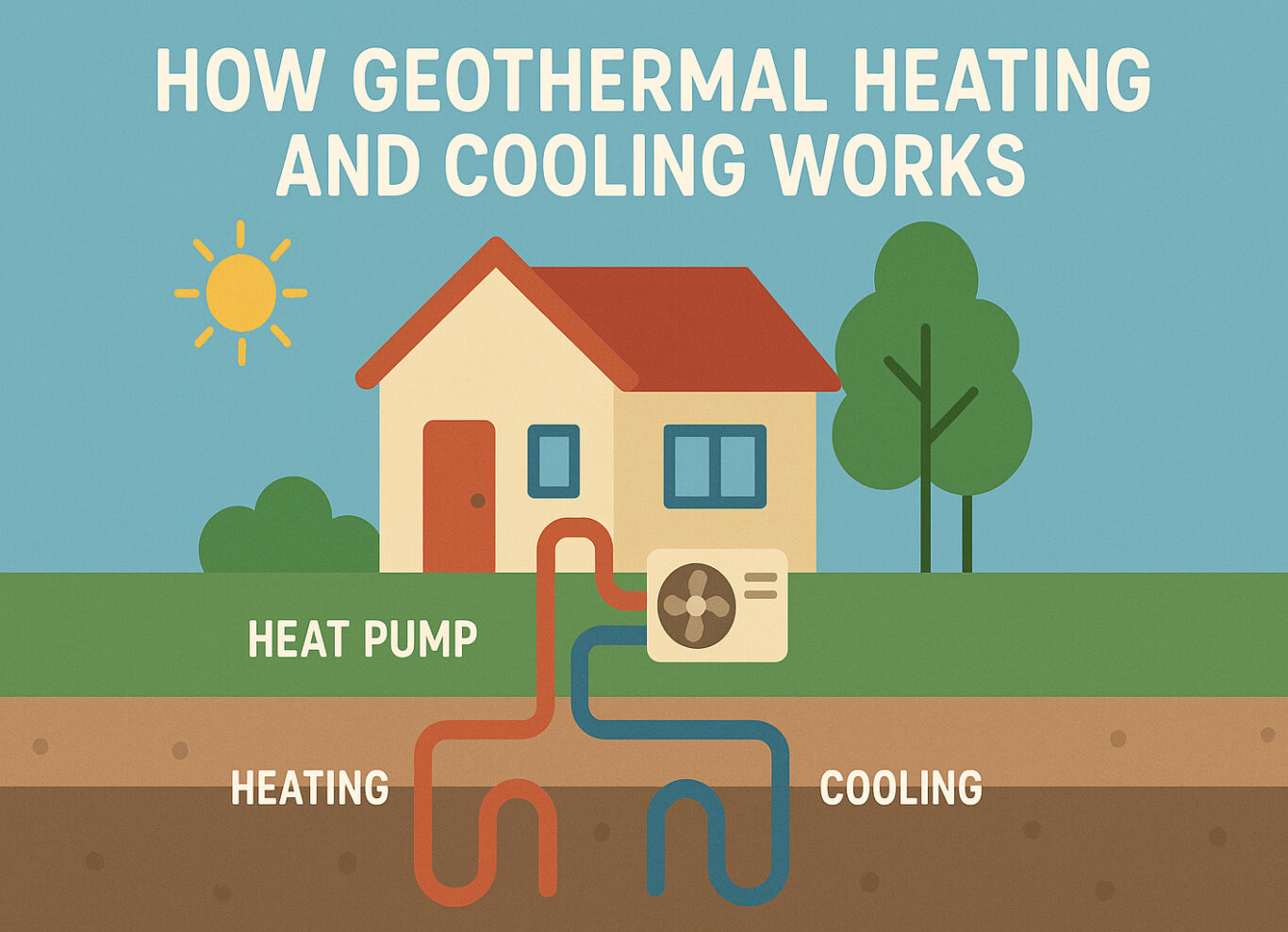
The core concept behind geothermal is surprisingly simple. Just a few feet below the ground, the earth’s temperature stays consistent all year long. Regardless of whether it’s 105°F in August or 10°F in January, the ground temperature in the Wichita area remains around 55°F.
A geothermal system uses this free, renewable thermal energy. Unlike a traditional furnace that burns fuel to create heat, a geothermal system simply moves existing heat from one place to another.
In Winter (Heating Mode):
A closed loop of underground pipes circulates a water-based solution. As this fluid moves through the pipes, it absorbs the earth’s natural 55°F heat. The fluid then carries this heat back to an indoor unit called a heat pump.
The heat pump concentrates this thermal energy and distributes it as warm, comfortable air throughout your home through standard ductwork. It’s much easier to raise 55°F air to a comfortable room temperature than it is to raise 10°F air.
In Summer (Cooling Mode):
The entire process reverses. The heat pump inside your home pulls heat and humidity from your indoor air, just like a standard air conditioner. But instead of sending that heat to a noisy outdoor unit to be released into the already hot air, it transfers the heat into the fluid in the ground loops. This fluid circulates underground, where the excess heat is efficiently absorbed by the cooler 55°F earth.
Geothermal Heating And Cooling Diagram
The Main Components of a Geothermal System
A geothermal system might sound complex, but it boils down to three primary components working together.
The Ground Loop
This is the heart of the system. The ground loop is a network of durable, high-density polyethylene pipes buried in your yard. This loop is the heat exchanger, acting as the bridge between your home and the earth’s constant temperature. The way the loop is installed depends on your property:
Horizontal Loops: Best for properties with plenty of space. Trenches are dug several feet deep, and pipes are laid out in a winding pattern.
Vertical Loops: Ideal for smaller lots common in many Wichita neighborhoods. Deep holes are drilled, and pipes are inserted vertically, requiring very little surface area.
Pond/Lake Loops: If you have a sufficiently sized body of water nearby, the loop can be submerged, which is often the most economical option.
The Heat Pump
This is the indoor unit that does the heavy lifting. It’s an electrically powered device that contains the compressor, valves, and fans responsible for concentrating the heat and moving it.
Because this unit is located inside your home (often in a basement, utility closet, or garage), it’s protected from harsh Kansas weather, which contributes to its long lifespan. It’s also incredibly quiet since there’s no loud outdoor condenser unit.
The Distribution System
This is the part you’re already familiar with. In most homes, the geothermal heat pump connects directly to your existing ductwork. It delivers warm or cool air through the same vents your furnace and air conditioner use, making it a seamless transition for many homeowners.
The Pros and Cons: An Honest Look
No HVAC system is perfect for everyone. To make an informed decision, it’s important to weigh the benefits against the drawbacks.
The Benefits – The “Pros”
Excellent Energy Efficiency: This is geothermal’s biggest advantage. Geothermal systems can be 300-600% efficient, according to the U.S. Department Of Energy. A high-efficiency gas furnace, by comparison, is typically 95% efficient. This massive efficiency gap is because the system isn’t creating heat, only moving it.
Lower Long-Term Bills: The high efficiency translates directly into savings. Homeowners can see their heating, cooling, and hot water costs reduced by up to 70%.
Incredibly Long Lifespan: The underground loop system is built to last, with a warranty of 50 years or more. The indoor heat pump unit typically lasts 20-25 years, significantly longer than the 10-15 year lifespan of a traditional furnace or air conditioner.
Quiet & Comfortable: With no outdoor condenser fan kicking on and off, the system is extremely quiet. It also provides a more consistent, even heat, eliminating inconsistent heating and cooling.
Eco-Friendly: Geothermal energy is clean and renewable. By using the earth’s natural energy, these systems dramatically reduce greenhouse gas emissions and your home’s carbon footprint.
The Considerations – The “Cons”
The Upfront Cost: This is the most significant hurdle. The initial investment for a geothermal system is considerably higher than for a conventional HVAC system. The cost is driven by the excavation or drilling required to install the ground loop.
The Installation Process: Installing the ground loop is a major undertaking that will disrupt your landscaping. While the yard will recover, it’s a more involved process than swapping out an old furnace.
Specialized Installation: Geothermal is not a DIY project. It requires a contractor with specific training, tools, and experience in geothermal system design and installation to make sure it operates correctly and efficiently.
Is Geothermal a Good Fit for the Kansas Climate?
Absolutely. In fact, geothermal systems are particularly effective in climates like Wichita’s with extreme temperature swings. Traditional air-source heat pumps work by pulling heat from the outdoor air. They become much less efficient as the temperature drops, and they struggle to keep up on the coldest winter days.
Geothermal systems don’t have this problem. Because they draw heat from the constant 55°F earth, their performance is completely independent of the outside air temperature. It doesn’t matter if it’s 5°F or 105°F, the system works with the same efficiency, providing reliable comfort right when you need it most.
Common Geothermal Questions (FAQ)
Q: How much does a geothermal system cost?
Answer: The cost varies widely based on your home’s size, its energy efficiency, and the type of ground loop installed. While the upfront investment is significant, it’s crucial to look at the total picture. Federal tax credits for renewable energy can drastically reduce the net cost, and the long-term payback from decades of lower energy bills can make it a very sound financial investment.
Q: Can I use my existing ductwork?
Answer: In most cases, yes. Geothermal systems are designed to work with the high-performance ductwork found in most modern homes. A professional will need to assess your existing ducts to see if they are properly sized and sealed for optimal performance.
Q: How much yard space do I need?
Answer: Not as much as you might think. While horizontal loops require a larger area, vertical loops can be installed on nearly any lot, even smaller city properties, because the drilling goes straight down, taking up very little surface area.
Q: Does it add to my home’s value?
Answer: Yes. A high-efficiency, low-operating-cost geothermal system is a premium feature that increases a home’s resale value. It’s a major selling point for energy-conscious buyers looking for long-term savings and comfort.
Making The Right Decision For Your Home
A geothermal system is a highly efficient, quiet, and eco-friendly way to heat and cool your home by tapping into the free, renewable energy stored right in your yard. While the initial investment is a major consideration, the incredible long-term savings, exceptional comfort, and system longevity are why many homeowners see it as a worthwhile investment.
Understanding your home’s heating and cooling options is the first step. If you’re curious whether a geothermal system could be a practical solution for your specific property, it’s always best to get a professional assessment. For more information about geothermal systems give us a call or schedule an estimate today.
This informational guide is provided by the team at Mike Watson Heating & Cooling, dedicated to helping Wichita homeowners understand their HVAC options for over 25 years.
As the leaves start to change and the evenings grow cooler in Wichita, many homeowners are preparing for the colder months ahead. Fall is more than just a beautiful season, it’s also the perfect time to get your HVAC system ready for winter. A little preparation now can save you money, improve comfort, and help you avoid costly breakdowns during Kansas’ coldest days. At Mike Watson Heating & Cooling, we’ve been helping Wichita homeowners keep their homes comfortable for years. Below, we’ll share our top fall HVAC tips and tricks to make sure your system is running efficiently when you need it most.
Why Fall HVAC Maintenance Matters
As summer fades into fall, your HVAC system transitions from cooling your home to keeping it warm. Without proper upkeep, this change can strain your system, lead to inefficiencies, and even cause unexpected failures.
Here’s why fall maintenance is so important:
Energy efficiency: A tuned-up system uses less energy, lowering monthly bills.
Improved comfort: Balanced airflow keeps every room cozy.
System longevity: Regular maintenance reduces wear and tear, helping your HVAC last longer.
Safety: Proper furnace checks ensure your family stays safe from carbon monoxide leaks.
For homeowners in Wichita, fall days can quickly shift from warm sunny afternoons to chilly nights and early mornings, so you’ll want your system to respond rapidly to sudden temperature swings. Keeping your HVAC system in tip-top shape is a great way to make sure your system can adapt to changing temperatures and keep you comfortable regardless of the climate.
Fall HVAC Tips & Tricks for Wichita Homeowners
Schedule a Furnace Tune-up
Replace & Clean Filters
Check Thermostat Settings
Seal Air Leaks & Improve Insulation
Clean Vents, Registers, & Exhaust Vents
Check Carbon Monoxide & Smoke Detectors
Clean Outdoor & Indoor HVAC System
Reverse Ceiling Fans
1. Schedule a Professional HVAC Tune-Up
The best step you can take each fall is scheduling a professional inspection and tune-up. During a service visit, an HVAC technician will:
Check and replace filters
Inspect electrical components
Clean burners and coils
Test airflow and thermostat settings
Look for worn or failing parts
This proactive maintenance not only improves efficiency but also reduces the risk of an untimely breakdown in the middle of winter. Book your furnace tune-up with Mike Watson Heating & Cooling before Wichita’s first freeze hits.
2. Replace or Clean Air Filters
A dirty air filter is one of the most common causes of poor HVAC performance. It restricts airflow, forces your system to work harder, and increases utility bills.
Change filters every 1–3 months.
If you have pets or live near dusty areas in Kansas, you may need to replace them more often.
Fresh filters keep your indoor air cleaner too, helping reduce allergens and dust in your Wichita home. For a more detailed list on when and how to change your air filter visit our article, “4 Reasons to Replace Your Air Filter.“
3. Test and Update Thermostat Settings
Your thermostat is the “brain” of your HVAC system. In fall:
Switch from cooling to heating mode.
Replace thermostat batteries, if applicable.
Program energy-efficient schedules (lower temps when you’re away, warmer when home).
Consider upgrading to a smart thermostat for even greater savings and control. Many Wichita homeowners save 10–15% on energy bills with these devices. Energy Star states that certified equipment can cut annual energy bills by $140 or more, depending on climate and other efficiency factors.
4. Seal Air Leaks & Improve Insulation
Even the best HVAC system struggles if your home leaks warm air. Before winter sets in:
Inspect windows and doors for drafts.
Add weather stripping or caulk where needed.
Check attic insulation to ensure adequate coverage.
Older Wichita homes are especially prone to energy loss through gaps and outdated insulation. Fixing these leaks keeps your home warmer and reduces strain on your HVAC system.
5. Clean Vents & Registers
Blocked or dusty vents reduce airflow, making your system less effective.
Vacuum registers to remove dust and pet hair.
Make sure furniture or rugs aren’t covering vents or restricting airflow.
Keep supply and return vents open to balance air circulation.
This quick task improves efficiency and keeps your Wichita home more comfortable.
6. Check Carbon Monoxide & Smoke Detectors
Safety is a key part of HVAC maintenance. Since your furnace will be running more often in fall and winter, make sure your home’s detectors are working properly.
Replace batteries in CO and smoke detectors.
Test alarms to ensure they’re functioning.
Install detectors near bedrooms and on each floor of your home.
Furnace malfunctions can release dangerous gases, so this step is essential for protecting your family. To help set good habits and routines, The National Fire Protection Association (NFPA) recommends homeowners check their carbon monoxide detectors at least once a month.
7. Clear the Outdoor Unit
If you have a heat pump or central AC unit, don’t forget the outdoor component:
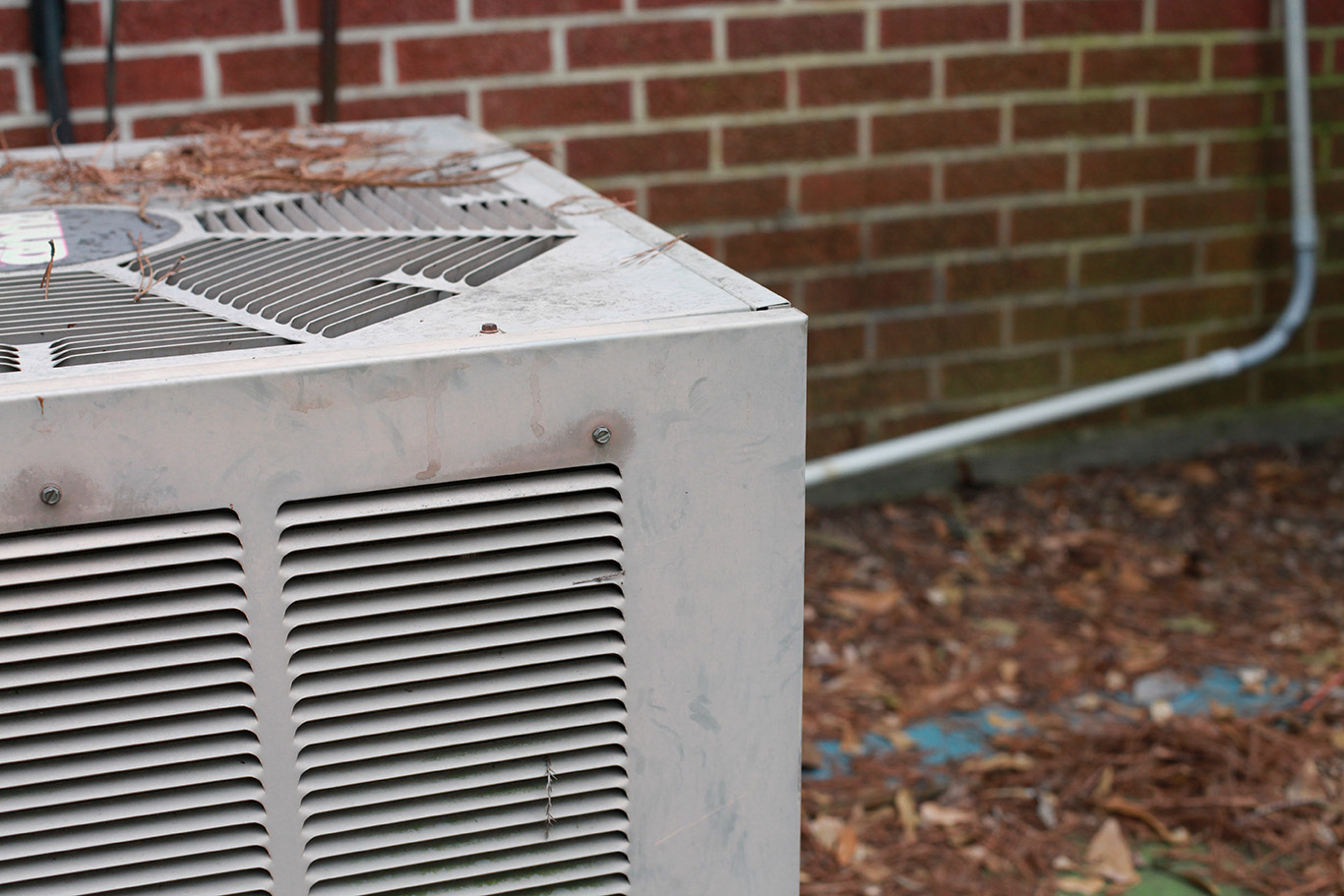
Remove leaves, grass, and branches from around the unit.
Keep at least 2 feet of clearance for proper airflow.
Gently rinse dirt off the fins with a garden hose if needed.
A clean, unobstructed outdoor unit prevents damage and keeps your system running efficiently.
8. Reverse Ceiling Fans for Winter
Switching fans to rotate clockwise on a low speed pushes warm air (which naturally rises) back down into the room. This simple trick helps reduce heating costs and keeps your home more comfortable during Wichita’s chilly evenings.
When to Call a Wichita HVAC Professional
While many fall HVAC tips and tasks can be handled by homeowners, some require a professional touch. Contact Mike Watson Heating & Cooling if you notice:
Unusual noises or smells from your furnace
Weak or uneven airflow between rooms
Rising utility bills despite normal usage
Difficulty maintaining a steady temperature
Addressing issues early prevents small problems from becoming expensive emergencies.
Final Thoughts & Takeaways From Fall HVAC Tips
Preparing your HVAC system in the fall is one of the smartest investments you can make as a Wichita homeowner. From replacing filters to scheduling a tune-up, these steps improve efficiency, save money, and ensure your home stays cozy all season long.
Don’t wait until the first freeze to find out your furnace isn’t ready. Schedule your fall HVAC maintenance with Mike Watson Heating & Cooling today and enjoy peace of mind all winter. Contact us today, we’re available 24/7.
Homeowners often ask: Should I be worried when my AC makes odd noises? The reality is that some noises are perfectly normal, while others are red flags you should never dismiss. However, strange sounds can often be the first sign that your system is developing issues. Without proper attention, those issues could turn into complete malfunctions, costly fixes, or even force you to replace the unit. At Mike Watson Heating and Cooling in Wichita, we’re dedicated to helping you understand your air conditioner. That’s why we’re here to guide you through which air conditioner noises are typical and which ones you should never ignore.
Why is My AC Screeching/Squealing?
Few things are as unsettling as hearing your AC unit squeal or screech like nails on a chalkboard. Not only does it disrupt the peace in your home, but it also leaves you wondering, “How bad is this?”
Squealing or screeching sounds from your air conditioner usually mean something mechanical inside is wearing out. It might be a belt that’s slipping, a fan motor that needs attention, or bearings that are beginning to give out.
It’s important to note that newer AC models typically don’t use belts, so this usually means that there is a problem with the fan motor or bearings. Adding lubricant to a fan motor or bearings can help fix the problem. However, it’s always a good idea to call in an HVAC pro the moment you hear screeching noises. They’ll diagnose the problem and get your system running before things get worse.
AC Rattling and Banging Sound
That rattling or banging sound coming from your AC is usually your system’s way of telling you something is wrong. Over time, the natural wear and tear of daily use can cause screws or other components to shake free and rattle around inside the unit.
Outdoor air conditioners have a way of pulling in things like twigs, rocks, or bits of dirt. When those hit the fan blades, they make a loud banging noise that’s hard to miss. A persistent rattling or banging sound can damage major components like the compressor or condenser, both of which come with hefty repair bills.
With regular cleanings and maintenance tune-ups, HVAC pros can catch loose parts and remove debris before it causes damage. However, if your system is already making noise, it’s time to let a technician handle the fix.
Hissing and Bubbling Air Conditioner Noise
If you hear a hissing or bubbling air conditioner noise, don’t ignore it. The most common cause is a refrigerant leak, which not only lowers your AC’s efficiency but also poses serious risks.
Refrigerant gases are harmful to breathe, damaging to the environment, and highly corrosive. Over time, leaks can erode components, create additional damage, and eventually lead to complete system failure.
In the heat of summer, that could mean an expensive AC repairor even replacement. The safest step is to shut down your AC immediately and call a licensed HVAC technician for prompt, professional service.
Constant Clicking Sounds Coming from AC Unit
Hearing your AC click once as it powers on or off is totally normal. But if the clicking keeps going, that’s a sign something’s wrong. Often, the thermostat is trying to tell the AC to start, but the capacitor never gets the message. Electrical issues, faulty thermostats, or bad capacitors are usually to blame. While it’s not as dangerous as a refrigerant leak or compressor failure, you shouldn’t ignore it.
An HVAC professional can quickly find and fix the issue. For peace of mind, schedule your spring AC tune-up so your system is ready for hot Wichita weather.
Other Unusual AC Sounds to Watch For
Air conditioners are complex machines, and sometimes they produce sounds that catch homeowners off guard. Among the most common unusual noises are grinding, buzzing, and humming.
A grinding sound usually means metal components scraping against each other, which reduces efficiency and can eventually cause total system failure.
Buzzing or humming noises often point to electrical problems, loose parts, or even a clogged air filter.
In some cases, a simple cleaning may help, but electrical issues should always be left to licensed HVAC technicians. If you’re ever unsure about a sound or its cause, contacting an HVAC professional is the safest option.
Keep Your AC Quiet With Regular Expert Maintenance
Want to stop strange AC noises before they start? The secret is simple: preventive maintenance. Scheduling a yearly tune-up helps your system run smoothly, reduces stress on its parts, and lets a pro catch common AC problems before they turn into major repairs. You’ll also enjoy perks like better energy efficiency, cleaner air, and a longer-lasting air conditioner.
At the end of the day, don’t ignore the sounds your AC makes. They’re often signs of trouble, and safety should always come first. When in doubt, call in the experts. Mike Watson Heating and Cooling is here whenever you need us.
Finding a puddle of water under your air conditioner can be unsettling to say the least. Your first thought might be, “Why is my AC leaking water?!” While it can feel a bit alarming, the truth is that AC water leaks are one of the most common air conditioner problems.
Hot weather, high humidity, and shifting climate conditions can all push your AC to its limits and lead to leaks. That’s why Mike Watson Heating and Cooling is ready to step in and provide the help you need.
Common Causes of AC Water Leaks
Clogged Condensate Drain Line
Frozen Evaporator Coils
Rusted or Damaged Drain Pan
High Humidity
Other Potential Causes
Clogged Condensate Drain Line
When your AC cools warm air, the evaporator coils pull out moisture, which forms condensation on the coils. That water normally drains into a pan and then flows outside through the condensate drain line. But if dirt or debris clogs that line, water backs up and can cause your system to leak.
You can clear small blockages at the end of the line with a wet/dry vac or by flushing it with a vinegar solution. To avoid these problems, it’s best to clean the drain line every few months and schedule routine maintenance with a reliable HVAC company.
Frozen Evaporator Coils
A frozen air conditioner is a common summer issue caused by low refrigerant, dirty filters, or restricted airflow. When these problems prevent warm air from reaching the evaporator coils, the coils freeze, and once the ice melts, water collects around your HVAC unit.
Preventive steps include replacing yourair filter every 1–3 months, scheduling routine maintenance, and ensuring refrigerant levels are tested each year.
Rusted or Damaged Drain Pan
Did you know your AC’s drain pan can wear out over the years? When that happens, water may start dripping onto the floor. Small issues can usually be fixed with epoxy putty, but if the pan is too far gone, or you’re not comfortable handling the repair, it’s a good idea to let a local HVAC expert take care of it.
High Humidity
Too much humidity is tough on your AC. When the air is heavy with moisture, your unit works overtime to remove excess water. Ultimately, this means more water is produced and drained. The extra water can sometimes overflow the drain pan, freeze onto the coils, or even cause clogs from mold and algae growth.
The best way to solve this problem is with regular AC tune-ups. Keep up with routine maintenance, swap in fresh filters, and use a dehumidifier during humid stretches.
Other Possible AC Problems
Still noticing water around your AC even after checking the usual culprits? Sometimes the issue is bigger than a clogged line or dirty filter. A poor installation could mean your drain line isn’t correctly connected to the pan, or you may have a broken condensate pump that’s no longer pushing water out. When that happens, water builds up and spills over. The safest move is to have an HVAC technician take a look and fix the problem for good.
DIY Troubleshooting Tips for Homeowners
Turn off the power
Check and clear drain line
Change air filter
Inspect the drain pan
Always Start with Safety: Switch Off the Power
Safety should always come first when working on your cooling system. Before starting any troubleshooting, be sure to turn off your AC to ensure it’s safe to handle.
Step Two: Check the Drain Line and Remove Any Blockages
After shutting your AC down completely, check the drain line. You’ll usually find it as a PVC pipe running from your indoor unit to the outside or into a drain. Use a wet/dry vac to suck out any clogs, then rinse the line with vinegar and water to keep it clean. If you spot damage that’s beyond your comfort zone, don’t hesitate to call a pro. When you’re done, turn your AC back on and make sure water is flowing properly.
Step Four: Change the Air Filter
Changing your AC’s air filter is an easy DIY job that keeps your system running smoothly. Look for the filter slot, typically behind a vent cover near the blower. Open it up, remove the dirty filter, and insert the new one. Just be sure the arrows are pointing the right way before closing the cover.
Step Five: Inspect and Clean Drain Pan
Take a close look at your drain pan for cracks, rust spots, or small holes. If the damage is minimal, you can usually patch it with epoxy or sealant. But if the pan is badly worn or broken, replacing it may be the safest long-term fix.
If It’s Beyond DIY, Call in the Pros
If you’re dealing with issues like a refrigerant leak, electrical trouble, or broken components, skip the DIY approach. These types of repairs are not only dangerous to attempt but could also put your family’s safety in jeopardy; leave them to a trusted HVAC expert.
Stop Leaks Before They Start With Expert HVAC Care
Catching problems early is the key to avoiding bigger AC headaches. That’s why annual tune-ups are so important, they help find issues like low refrigerant or faulty hardware that can lead to leaks. In Wichita, the best time to book yourAC maintenance is early spring. These yearly tune-ups help make sure your system stays cool and reliable all summer long and reduce unexpected breakdowns.
Frequently Asked Questions About Leaking AC Units
Is a Leaking AC an Emergency?
A little condensation around your AC is normal and not cause for alarm. However, if you notice a significant amount of water leaking from inside the unit, it’s a serious issue. In that case, contact an HVAC repair company immediately.
Can I Use My AC if It’s Leaking?
A little water around the drain line isn’t usually a big deal, and your AC can keep running if there are no other problems. But if you spot a big leak, notice electrical trouble, or suspect a refrigerant leak, turn the unit off right away and get in touch with the pros.
How Much Does it Cost to Fix a Leaking AC in Wichita, KS?
Seeing your AC leak can be stressful, but you don’t have to handle it alone. Whether it’s a clogged drain line, frozen coils, worn-out parts, or even weather damage, Mike Watson Heating & Cooling is here to deliver quick and reliable repairs in Wichita.